Category: Art
-

When Did We Decide Life Was Something to Get Through?
Many people spend their lives waiting for the next weekend, vacation, or life change, inadvertently neglecting to fully experience each day. The author urges readers to break routines, embrace curiosity, and engage in memorable activities, emphasizing that life happens in ordinary moments. Challenging readers to create meaningful memories fosters connection and personal growth.
-
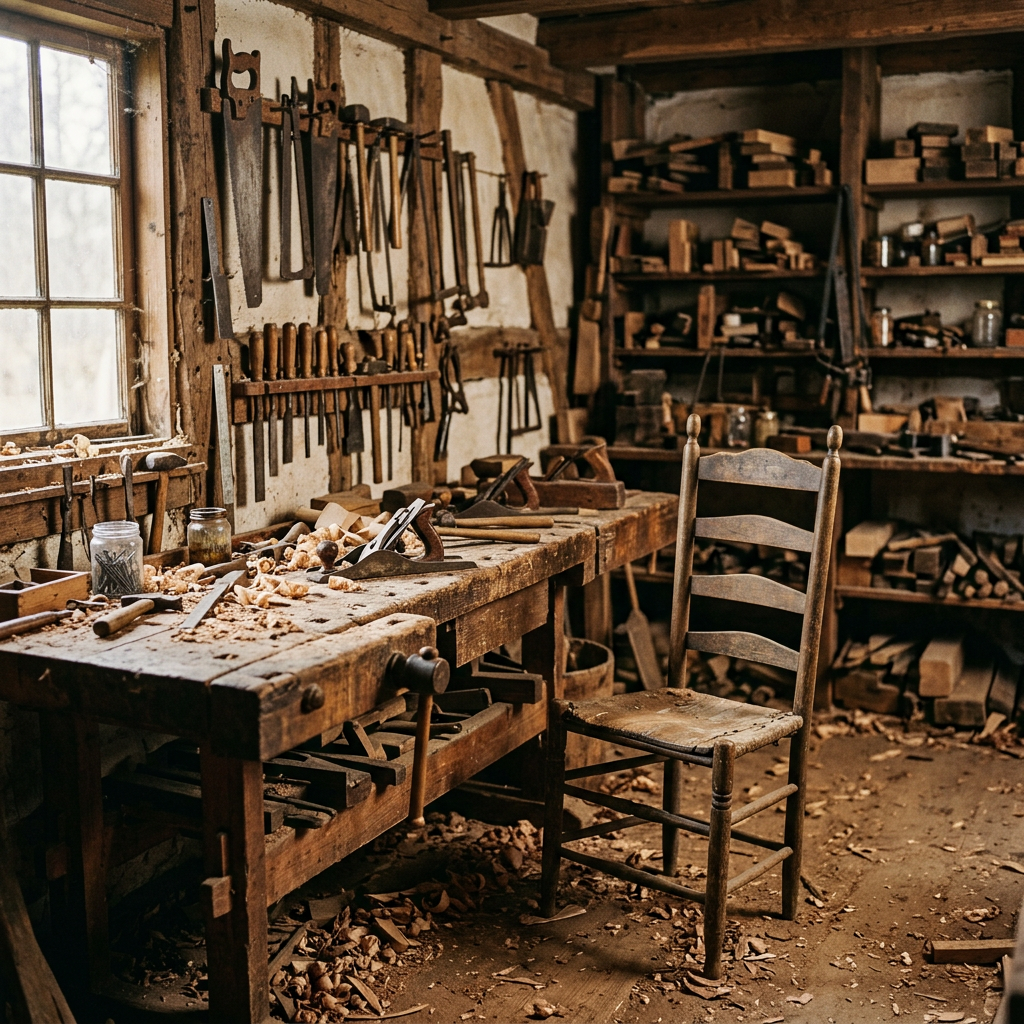
What Happens When Nobody Knows How to Do Anything Anymore?
The passage emphasizes the gradual loss of valuable, practical knowledge as technology simplifies life. It argues that while digital information is abundant, true knowledge is often experiential and must be passed down through generations. The author advocates for nurturing connections and preserving skills before they fade away into mere memories.
-

We’ve Forgotten How to Be Bad at Things
The passage emphasizes the importance of embracing beginner’s mistakes when exploring new hobbies. It highlights how adults often shy away from trying new things due to fear of judgment or comparison. The author advocates for a community where sharing failures is encouraged, fostering curiosity and the joy of learning without the pressure of perfection.
-

Nobody Is Coming to Save Your Life
The message emphasizes personal responsibility in shaping one’s life, underscoring that waiting for external changes or validation is unproductive. Instead, individuals should focus on what they can create and improve now. Every act of rebuilding reflects a belief in the potential for a better future and the importance of participating in life actively.
-

Stop Saving Your Life for Later
The post encourages readers to seize the present instead of waiting for a future moment to start living. It emphasizes that time is fleeting and unbankable, urging individuals to initiate projects, create memories, and enjoy life. The message is clear: don’t postpone living; instead, begin today and cherish every moment.
-
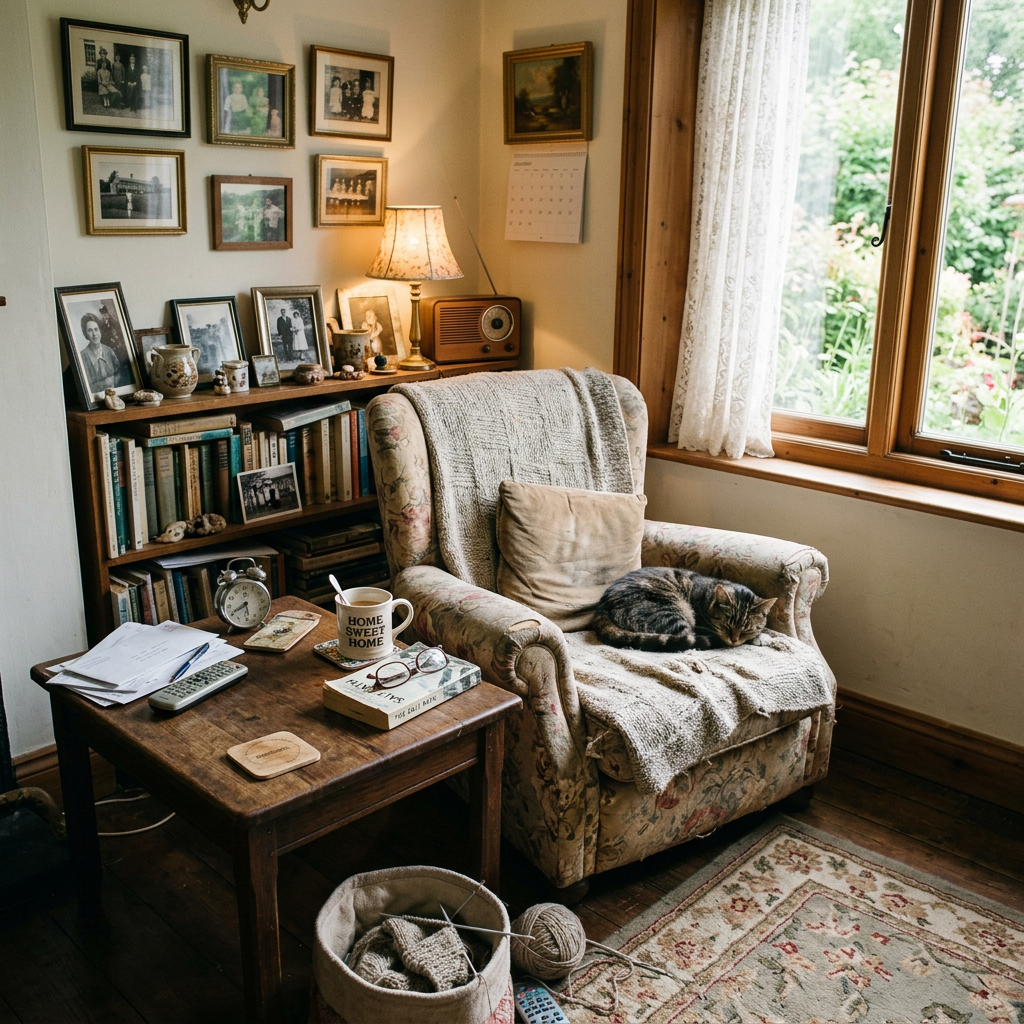
One Day, Everything You Own Will Belong to Someone Else
The post reflects on the transient nature of possessions, emphasizing that while material items will eventually belong to others, their true value lies in the stories and memories attached to them. It advocates for creating meaningful legacies by cherishing and passing down experiences rather than merely accumulating wealth or new possessions.
-
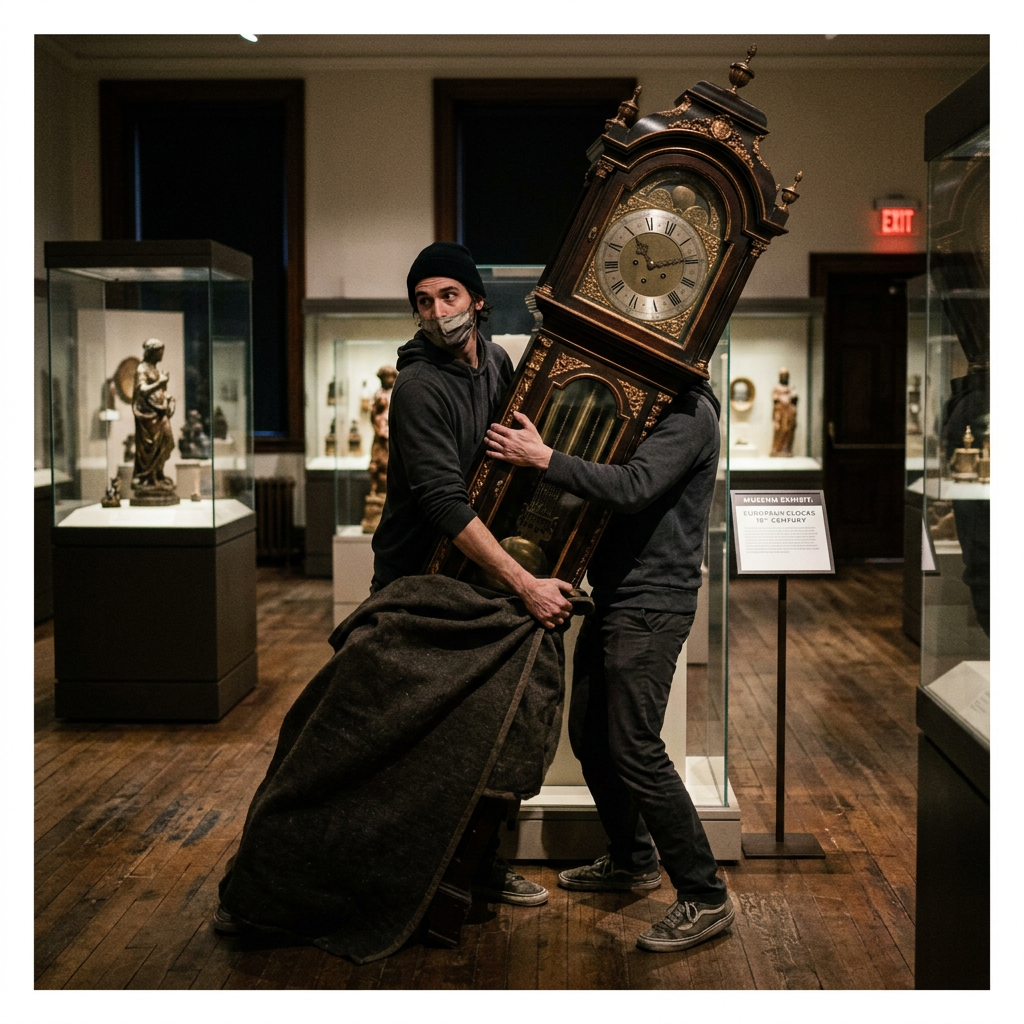
The Greatest Theft in Modern History
The article discusses the modern phenomenon of attention theft, arguing that people willingly surrender their focus to screens instead of engaging in meaningful activities. It highlights how social media and entertainment industries profit from this distraction. Ultimately, it calls for individuals to reclaim their attention through creation and hobbies, emphasizing fulfillment over passive consumption.
-

Why Your Hobby Matters More Than Your Job
The piece emphasizes the significance of hobbies over jobs in defining personal identity and fulfillment. It suggests questioning conventional inquiries about occupations and instead exploring what individuals create. Hobbies nurture essential human qualities and often leave lasting legacies. The author encourages reflection on personal passions that shape lives.
-
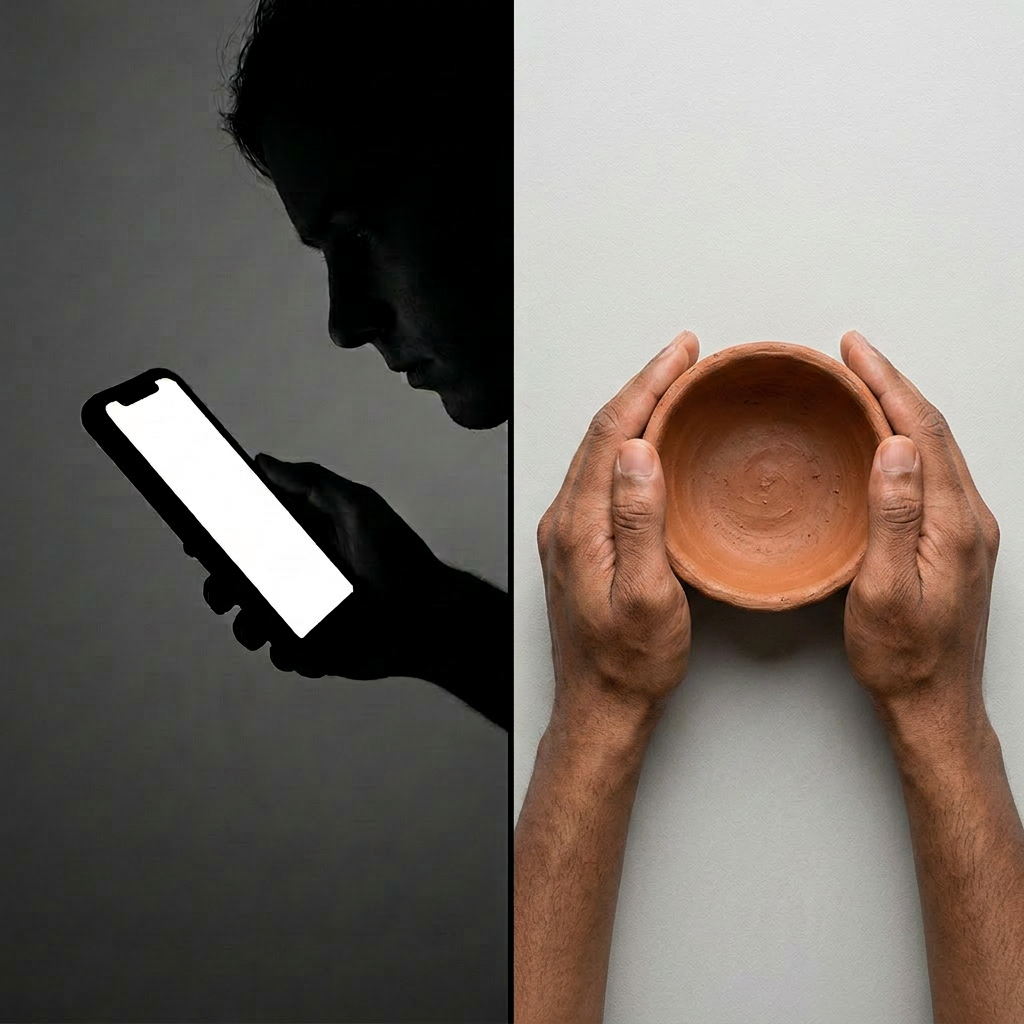
The Most Dangerous Sentence in the English Language
The post emphasizes that people often excuse their busyness while consuming others’ lives instead of engaging in their own creative hobbies. It argues that pursuing hobbies is a meaningful way to participate in life, suggesting that creativity can redeem time and significantly enhance happiness by fostering personal connection and fulfillment.
-

Why Would Anyone Spend 51 Hours Making One Picture?
A friend questioned me about the 51 hours spent on a drawing, prompting reflections on why we favor speed in life. Meaningful endeavors, like art, relationships, and freedom, require time and patience. Hobbies teach us to create and invest in worthwhile things, shaping both the product and the creator.