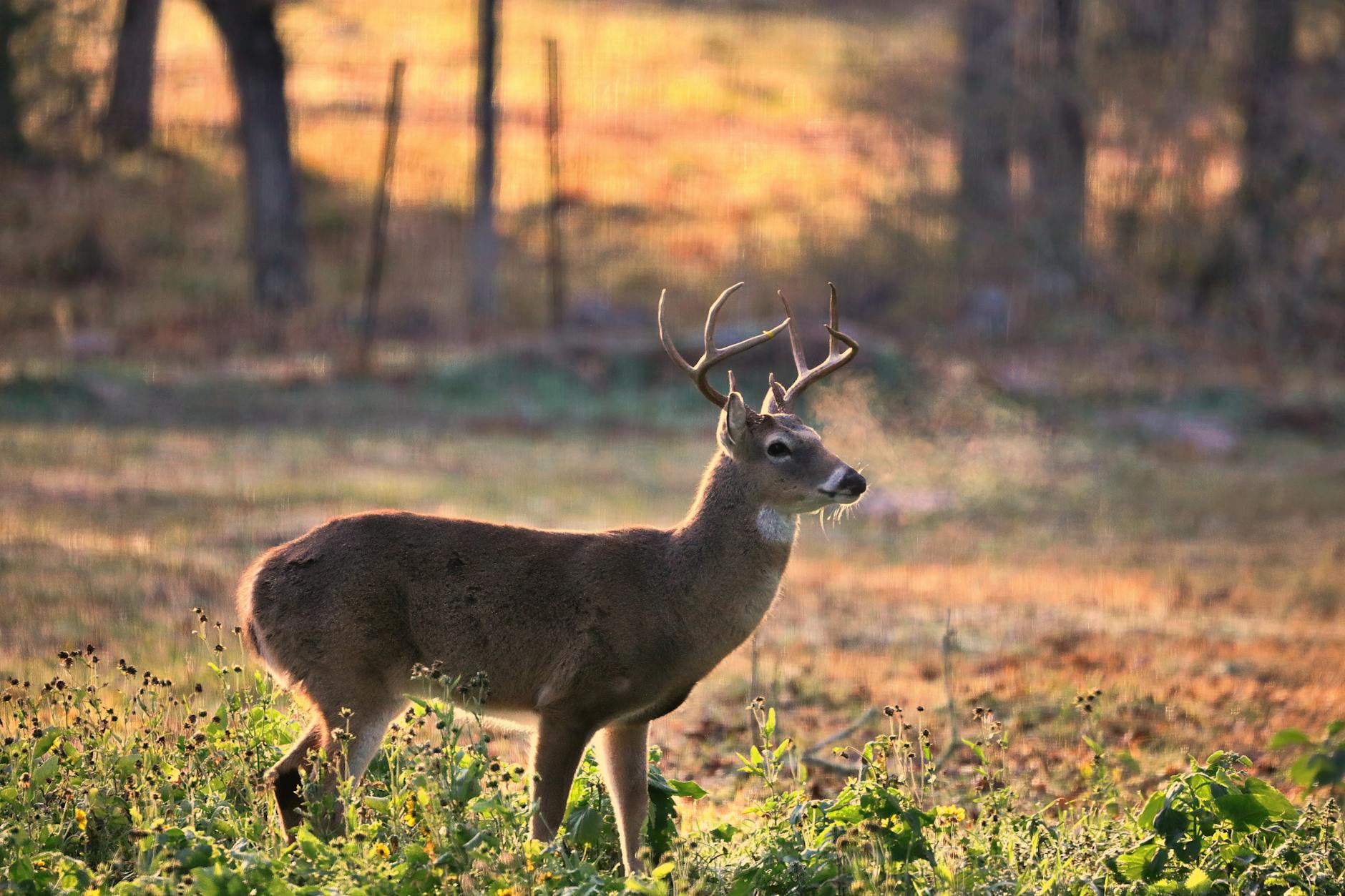
I grew up with the creek running through my backyard, and the seemingly endless “woods” beyond the water. So, I’m used to the outdoors. I’ve handled my fair share of floods, tornadoes, ice storms, snakes (dangerous and not-so-much), crawdads (crayfish), snapping turtles (and soft-shells, box, red-eared sliders, etc.), armadillos, opossums, and whatever else the wild throws at you in Eastern Oklahoma, Arkansas, and Texas. That being said, I don’t hunt. I’ve learned the skills. However, I’ve never felt the pull toward it personally, and I’ve never pretended otherwise. To be honest, since living in a city of more than 20 million people for the last decade, I wouldn’t really have much of a chance to hunt even if I wanted to. But I’ve spent enough time around people who do…especially within my own family…to know that hunting, at its best, has very little to do with bravado or thrill-seeking. What I’ve watched unfold between my brother and his sons has been quieter than that. Slower. More deliberate.
It’s easy, from the outside, to misunderstand what’s happening when an adult introduces children to hunting. From a distance, it can look like a single activity: a skill passed down, a tradition repeated. Up close, though, it’s something else entirely. It’s a transfer of trust. A gradual handing over of responsibility that’s weighted carefully, never rushed.
My brother doesn’t start with excitement. He starts with seriousness. Not heavy-handed seriousness, but the kind that makes it clear this isn’t a game. When his boys are involved, everything slows down. Decisions are explained. Expectations are made plain. They aren’t being invited into an adventure as much as they’re being invited into accountability.
What’s struck me most is how safety is taught…not as a checklist of rules to memorize, but as a way of thinking. The boys aren’t just told what not to do. They’re asked to notice. To pay attention. To think ahead. Safety, in that sense, becomes a habit of mind rather than a list taped to the wall. It’s about awareness of surroundings, respect for others, and an understanding that their actions have consequences well beyond themselves.
There’s also a surprising amount of restraint involved. From the outside, hunting is often framed as decisive action: aim, shoot, succeed. What I’ve seen is more often the opposite. Waiting. Watching. Passing up opportunities because conditions aren’t right, because the animal isn’t right, because something doesn’t sit well. My nephews are learning that not acting can be the most important choice they make.
That kind of patience is rare to teach anywhere else. Modern life rewards speed and immediacy. Outdoors, especially in something as consequential as hunting, patience isn’t optional…it’s foundational. You can’t rush judgment. You can’t force outcomes. You have to accept that sometimes the right decision is to come home empty-handed.
Naturally, these moments open the door to bigger conversations. About where food comes from. About life and death, handled without drama or spectacle. About respect for animals…not as abstractions, but as real, living creatures that deserve care and seriousness. Nothing is wasted. Nothing is taken lightly. The process itself demands a level of honesty that’s hard to replicate in a grocery store aisle.
What stands out to me is that the most important lessons aren’t actually about hunting at all. They’re about character. About being trusted with something meaningful and learning to carry that trust well. About listening more than talking. About knowing your limits and honoring them. The outdoors becomes a classroom, but not a formal one. There are no lectures, no whiteboards…just shared experiences that quietly shape how a person sees their role in the world.
I don’t need to hunt to respect that. I don’t need to participate personally to see how hunting, when practiced ethically and thoughtfully, fits into larger ideas of conservation, responsible food sourcing, and family education. For my brother and his sons, it’s one of the ways values are made tangible. Not spoken about in theory, but lived out in real time.
In a modern family, experiences like this matter…not because everyone should hunt, or even wants to. They matter because responsibility, patience, and stewardship don’t teach themselves. They have to be modeled, practiced, and passed down somewhere. For some families, that happens around a workbench, a kitchen table, or a garden. For others, it happens in the quiet of the outdoors.
Watching my brother with his sons has reminded me that the setting matters less than the intention. What endures is the care taken, the restraint shown, and the trust built along the way. And those are lessons worth learning, no matter where…or how…they’re taught.


Leave a Reply