This content was created with AI assistance and reviewed for accuracy and quality by the H&H team.
Hunting is more than just a sport; it’s an ethical practice deeply connected to conservation efforts and sustainable food sourcing. This guide will introduce you to the vital role hunting plays in wildlife management and how it connects individuals to the land and their food.
Find our Hunting Safety Guide here!
Why Hunting Matters
Conservation & Wildlife Management:
- Funding Conservation: Hunters contribute billions of dollars annually through licenses and taxes, funding habitat restoration, land acquisition, and wildlife research.
- Population Control: Hunting helps balance wildlife populations, preventing overpopulation, habitat degradation, and disease outbreaks.
- Ecosystem Health: Managing animal populations supports healthy ecosystems and allows for the recovery of native plant species.
Sustainable Food Source:
- Organic & Free-Range Meat: Wild game provides a lean, organic alternative to conventionally farmed livestock.
- Environmental Impact: Hunting has a lower environmental footprint compared to industrial meat production.
- Nutritional Value: Wild game meat is often leaner and free from antibiotics or additives commonly found in factory-farmed meats.
Essential Gear & Preparation
Key Gear for Beginners:
- Firearm/Bow: Choose a suitable weapon and ensure proper training.
- Ammunition/Arrows: Use the correct type for your game.
- Hunting License & Tags: Always carry valid documentation.
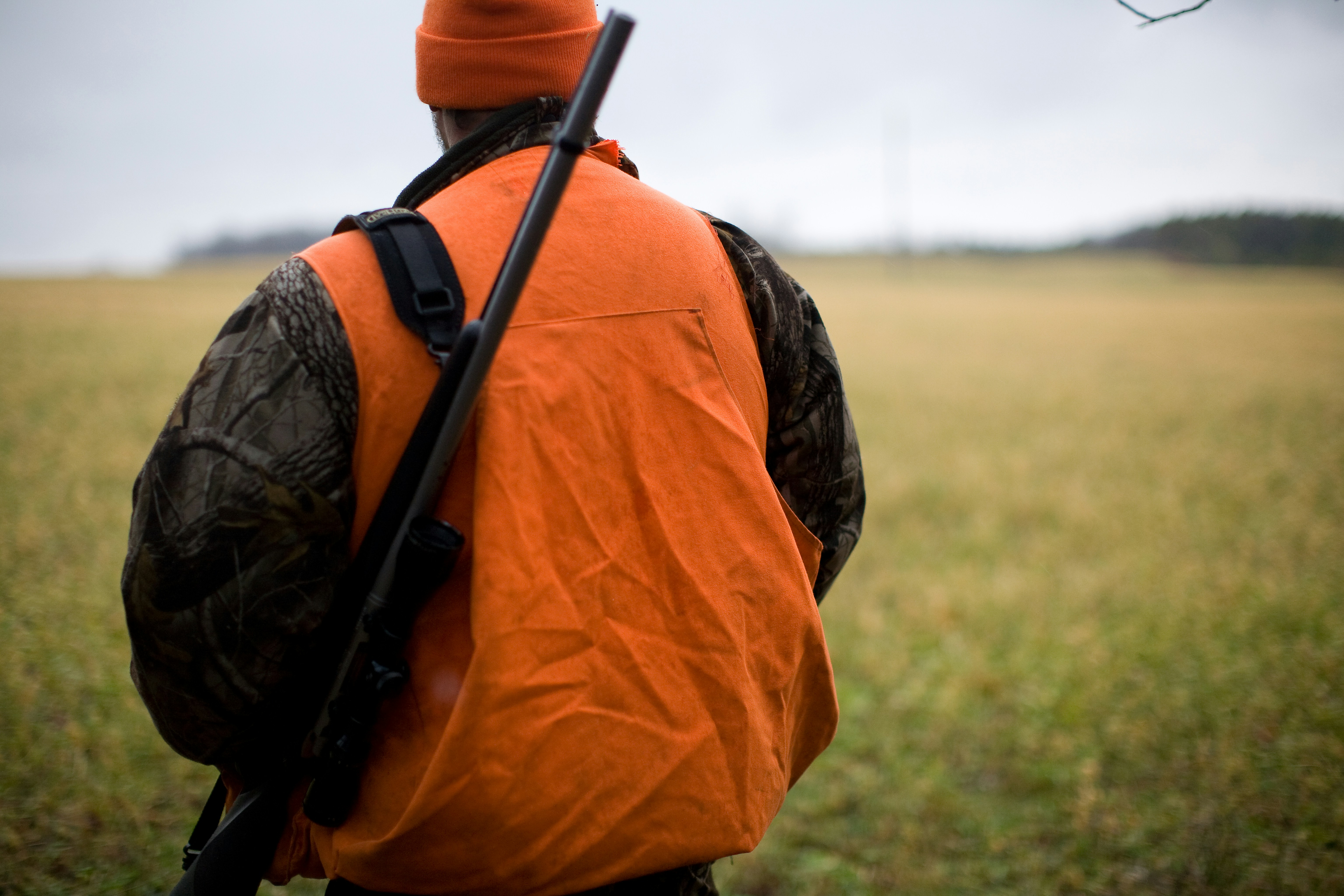
- Appropriate Clothing & Boots: Dress for the weather, and use camouflage or blaze orange for safety.
- Navigation Tools & First-Aid Kit: Ensure you have a map, compass, GPS, and a well-stocked kit for emergencies.
Preparation Tips:
- Hunter Education: Complete a certified course to learn safety and ethics.
- Physical Fitness: Prepare for the physical demands of hunting.
- Scout Your Area: Familiarize yourself with the terrain, animal behavior, and potential hazards.
- Practice: Regularly hone your shooting skills to ensure ethical and accurate shots.
Ethical Hunting Practices
- Fair Chase: Hunt ethically, avoiding unfair advantages or illegal tactics.
- Shot Placement: Aim for a clean shot to ensure a humane kill.
- Field Dressing & Meat Care: Properly field dress game and handle meat to preserve quality.
- Respect for Wildlife: Understand the species you’re hunting, and always observe with respect.
Overcoming Common Challenges
- Locating Game: Scout areas ahead of time and learn about the animal’s behavior.
- Weather Conditions: Dress in layers and be prepared for fluctuating conditions.
- Physical Demands: Build your fitness, start with shorter hunts, and gradually increase endurance.
- Ethical Dilemmas: Always stick to your ethics; if a shot isn’t clean, don’t take it.
Tips for Success
- Start Small: Begin with accessible game and simple hunting methods.
- Find a Mentor: Learn from experienced hunters for skill development.
- Invest in Quality Gear: Choose reliable, comfortable equipment.
- Be Patient: Hunting requires patience…cultivate it as a skill.
- Keep Learning: Stay informed about wildlife management, regulations, and techniques.
Conclusion
Hunting is a unique and rewarding activity that fosters a deep connection with nature. It teaches responsibility, patience, and respect for wildlife, while providing a sustainable food source. By practicing ethical hunting, you can contribute to conservation efforts and ensure the health of ecosystems for future generations.
Download the full guide for more details on techniques, gear, and best practices.