This content was created with AI assistance and reviewed for accuracy and quality by the H&H team.
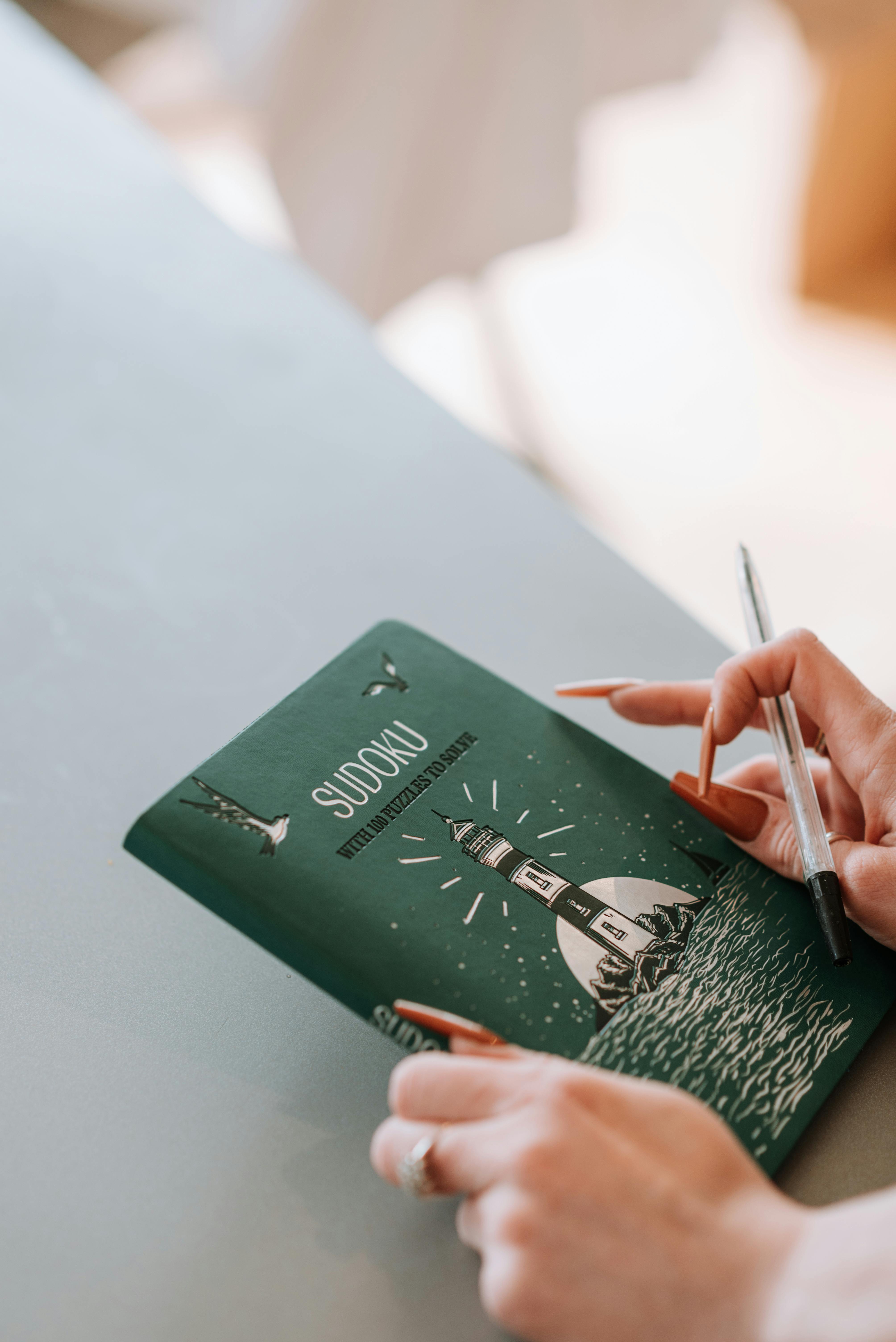
In a world that constantly demands our attention, focusing on a single solvable problem can be incredibly restorative. Puzzles and brain games are more than just time-fillers; they are a mindful hobby that sharpens your cognitive skills, reduces stress, and provides a deep sense of satisfaction upon completion. Whether you prefer the linguistic challenge of a crossword, the numerical logic of Sudoku, or the visual meditation of a jigsaw puzzle, there’s a brain game for every personality.
This hobby is accessible, affordable, and perfectly suited for quiet moments of reflection. It’s a wonderful way to practice patience, persistence, and problem-solving in a low-stakes environment. This guide is your mental coach, introducing you to different types of puzzles and brain games and providing strategies to tackle them successfully.
The Benefits of Puzzles and Brain Games
- Enhances Cognitive Function and Memory
Brain games stimulate the parts of the brain responsible for logic, pattern recognition, and memory recall. Regular engagement with puzzles keeps your mind flexible and sharp. - A Powerful Tool for Stress Reduction
The focused concentration required to solve a puzzle acts as a form of active meditation. It directs all your attention to the task at hand, temporarily silencing the noise of daily worries. - Teaches Patience and Persistence
Few puzzles are solved instantly. They require trial, error, and persistence, which builds mental resilience and teaches the valuable lesson that complex problems can be broken down into smaller, manageable steps. - Accessible and Portable
Puzzles and brain games are incredibly portable…whether it’s a crossword book, a Sudoku app, or a box of jigsaw pieces. They’re perfect for quiet moments at home, on the go, or during a rainy afternoon.
Essential Supplies & Preparation
Your supplies will depend on your chosen game, but a few basics apply across the board.
- Essential Supplies
- Pencils and Erasers: Essential for logic or word puzzles. The ability to erase and correct mistakes is key to solving them.
- High-Quality Jigsaw Mat: If you enjoy jigsaw puzzles, a felt mat that allows you to roll up your unfinished puzzle is a game-changer for saving table space.
- Dedicated Light Source: Good lighting is crucial for reducing eye strain, especially for detailed jigsaw puzzles or small-print crosswords.
- Reference Books/Apps: For crosswords, a good dictionary or thesaurus app can be a helpful tool, especially when you’re starting out.
- Preparation: Setting the Scene
- Designated Space: For long-term projects like jigsaw puzzles, dedicate a corner where the puzzle can remain undisturbed.
- Time Blocking: Set aside a specific amount of time (e.g., 15-30 minutes) each day for your brain game. Consistency is more important than marathon sessions.
- Start Simple: Don’t begin with a 1,000-piece jigsaw puzzle or “Genius Level” Sudoku. Start with beginner-level challenges to build confidence and master basic techniques.
Techniques: Strategies for Solving Different Puzzles
Each type of brain game requires a slightly different approach to maximize your success.
- Crosswords: The Power of the Intersect
- The Quick Pass: Start by going through all the clues and filling in every answer you know, creating a framework for solving the puzzle.
- The Intersect Strategy: Use the letters you’ve filled in from the “Across” clues to help solve the “Down” clues, and vice versa. Focus on words with the most intersecting letters.
- The Theme: Most crosswords have a theme. Once you figure out the theme, it can unlock several other answers.
- Sudoku and Logic Puzzles: Elimination and Notation
- The Scanning Technique: Scan the rows, columns, and boxes for numbers that are already present. If a number (e.g., 5) is in a row, eliminate that number from all empty cells in that row.
- Pencil Marks (Notation): Lightly write down all the possible numbers for each empty cell. As you solve other cells, erase impossible candidates.
- Naked Pairs/Triples: Look for two or three cells with the same pencil marks in the same row, column, or box. These numbers must go in those cells, allowing you to eliminate them from other cells.
- Jigsaw Puzzles: The Art of the Sort
- The Edge First: Start by finding all the edge pieces and assembling the border.
- Sort by Color/Pattern: After completing the border, sort the remaining pieces into smaller piles based on distinct colors or patterns. This drastically reduces the number of pieces you have to search through.
- Work in Small Sections: Rather than focusing on finding a piece for a large empty area, complete small, colorful sections at a time.
Common Challenges & Solutions
- Sudoku/Logic Grid Lock: You’ve filled in all the easy numbers and can’t find the next logical step.
Solution: Take a break. When you return, re-check your pencil marks for “Naked Singles” (a cell where only one number remains possible). If that fails, try the “What If” technique: tentatively fill in a number and see if it leads to a contradiction. - Jigsaw Fatigue: Staring at the same pieces for too long.
Solution: Move to a different area of the puzzle or switch to a different color pile. Sometimes, finding a piece for one section will give you the mental break you need to spot a piece for another section. - Crossword Guessing: Filling in an answer you’re unsure about, which messes up the intersecting words.
Solution: Never ink an answer you’re unsure of. Use a light pencil. If an answer doesn’t work with the intersecting words, it’s wrong, even if you’re certain of the clue. - Frustration: Feeling overwhelmed by the complexity of the puzzle.
Solution: Remember, the goal is the process, not just the solution. Break the puzzle down further. For a crossword, focus on a single three-letter word. For a jigsaw, focus on finding two pieces that connect.
Tips for Success
- Know When to Walk Away: Your brain continues to work on problems even when you’re not actively thinking about them. A short break often leads to a breakthrough when you return.
- Don’t Be Afraid to Cheat (A Little): If you’re stuck on Sudoku, use an online solver to check one number. This can unstick the entire puzzle and keep the momentum going.
- Frame Your Jigsaw Art: Turn your completed jigsaw puzzle into a beautiful piece of art. You can glue and frame it for a personalized decoration.
- Join a Puzzle Community: Many libraries and community centers host puzzle clubs or challenge events. This is a great way to share your hobby and find new challenges.
Conclusion
Puzzles and brain games are a delightful and rewarding hobby that offer the perfect blend of mindful relaxation and mental challenge. Whether you engage in the logical dance of Sudoku, the linguistic wit of crosswords, or the visual satisfaction of a jigsaw puzzle, you are investing in your cognitive health and finding joy in the process of solving. Pick up a pencil, clear your mind, and embrace the mindful challenge today!
Ready to put your brain to the test? Download our free comprehensive guide to start your mental workout! Or, explore our related guides on Card & Board Games and Fantasy & Tabletop RPGs for more ways to challenge your mind.