This content was created with AI assistance and reviewed for accuracy and quality by the H&H team.
In a world full of screens and digital distractions, there’s something truly special about gathering around a table with friends or family for a game night. Whether it’s the competitive thrill of a classic game like Monopoly or the teamwork required in modern cooperative games, card and board games offer the perfect blend of social interaction, strategic thinking, and fun.
Whether you’re a seasoned player or just starting out, this guide is here to help you create a memorable game night experience, filled with laughter, strategy, and friendly competition.
The Benefits of Card and Board Games
- Boost Cognitive Skills & Strategic Thinking
Game nights are not only fun, but they’re great for your brain. Strategic games improve planning, problem-solving, and critical thinking. - Strengthen Social & Family Bonds
Board games are the perfect way to disconnect from digital distractions and connect face-to-face with your loved ones, encouraging communication and shared experiences. - Teach Emotional Regulation & Sportsmanship
Games provide a safe space to practice handling emotions…whether winning, losing, or navigating challenges. - Accessible & Affordable Entertainment
Once you’ve invested in a few quality games, they offer hours of entertainment at a fraction of the cost of other activities, and they’re highly portable for on-the-go fun.
Essential Supplies & Preparation
You don’t need a massive collection to get started…just a few well-chosen games and a comfortable setting.
- The Starter Game Library
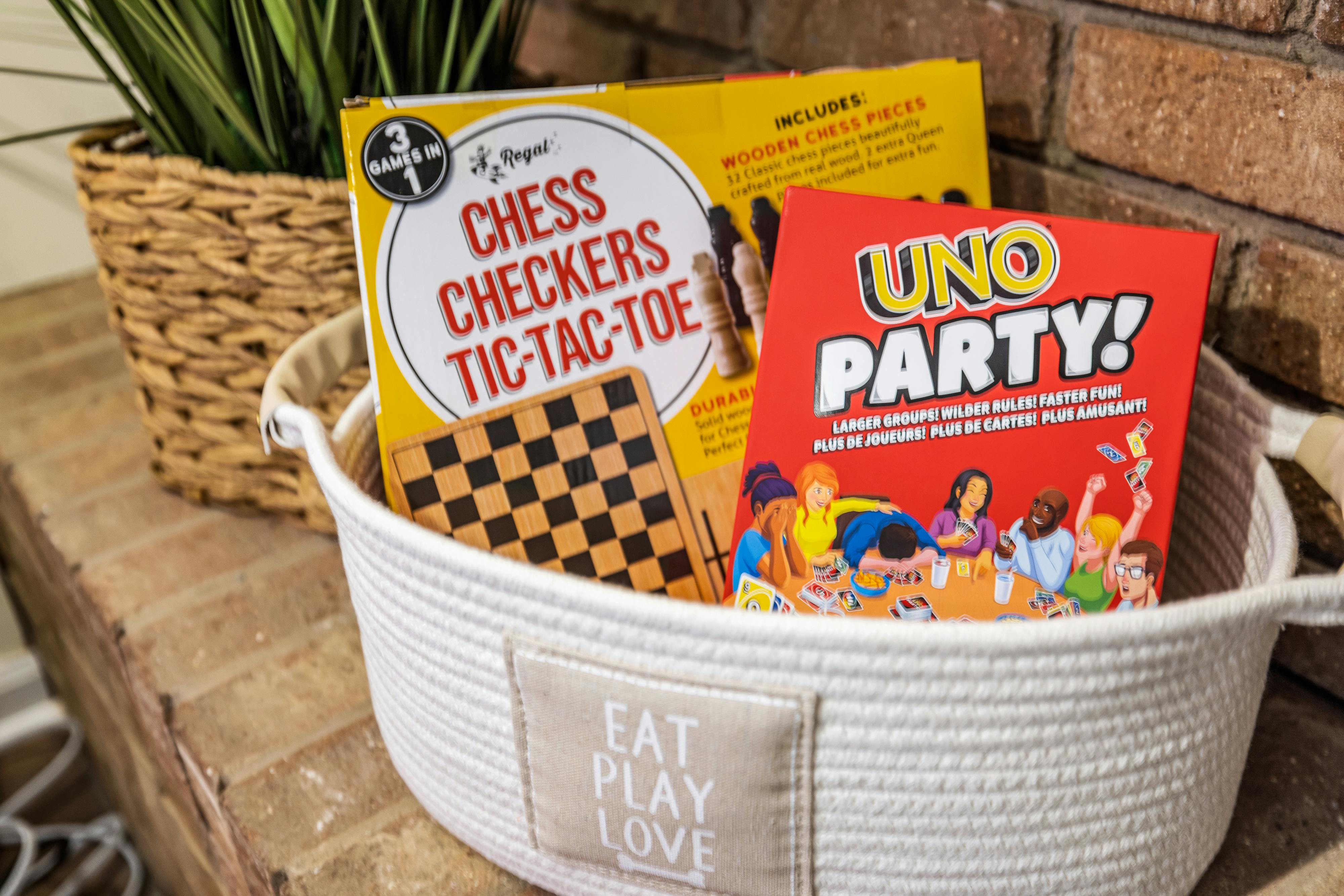
- The Classic: Timeless games like Uno, Checkers, or a simple deck of cards.
- The Cooperative Game: Games like Pandemic or Forbidden Island that encourage teamwork.
- The Gateway Strategy Game: Games like Ticket to Ride or Catan that introduce strategic play without being overwhelming.
- Must-Have Game Night Tools
- A clear table for the game board and pieces.
- Snack and drink zones to keep your playing surface neat.
- Good lighting for reading small print on cards and boards.
- Setting the Mood
- Set the rules: Have one person read out the game instructions, or watch a tutorial beforehand.
- The “No Phone” Rule: Encourage everyone to be present and enjoy the experience.
Techniques: Mastering Different Game Types
Different types of card and board games require different skills, so here’s how to get the most out of each type.
- Cooperative Games: The Power of Teamwork
- Open Communication: Work together to develop strategies.
- Avoid “Alpha Gaming”: Let everyone contribute to the decision-making process.
- Celebrate Small Wins: Every step forward is an accomplishment!
- Strategy Games: Thinking Ahead
- Learn the Scoring: Understand how points are earned and develop strategies accordingly.
- Use the First Few Turns Wisely: Build your “engine” to generate resources for the rest of the game.
- Watch Your Opponents: Pay attention to their strategies and adjust your own to block or capitalize on their moves.
- Classic Games: The Social Element
- Embrace the Banter: Let the game be a vehicle for conversation and laughter.
- Teach as You Go: Classic games are simple enough to teach while playing, so don’t hesitate to introduce a new player.
Common Challenges & Solutions
- Analysis Paralysis: Some players take too long to make a decision in strategy games.
Solution: Use a timer or gently encourage quicker decisions. - Rules Disputes: Disagreements over how a rule should be applied.
Solution: Assign a “rule master” to make final decisions for the night. - Sore Losers: Some players struggle with losing gracefully.
Solution: Focus on fun, not just winning, and remind everyone that the goal is to enjoy the experience.
Tips for Success
- The “One New Game” Rule: Introduce only one new game per session to keep things manageable.
- Invest in Quality: A few high-quality games with great components will always beat a shelf full of mediocre ones.
- Organize Your Games: Use small bags or containers to keep pieces organized and make setup/cleanup quick.
- Make It a Ritual: Schedule regular game nights…consistency makes them more fun and memorable.
Conclusion
Card and board games are more than just a pastime…they’re an opportunity to engage in mental challenges and strengthen bonds with family and friends. Whether you’re playing a classic, a cooperative game, or diving into strategy, every game night is a chance to create lasting memories.
Ready to host your best game night ever? Download our full Game Night Gold guide and plan your next session! Or, explore our related guides on Puzzles & Brain Games and Fantasy & Tabletop RPGs to find even more ways to challenge your mind.