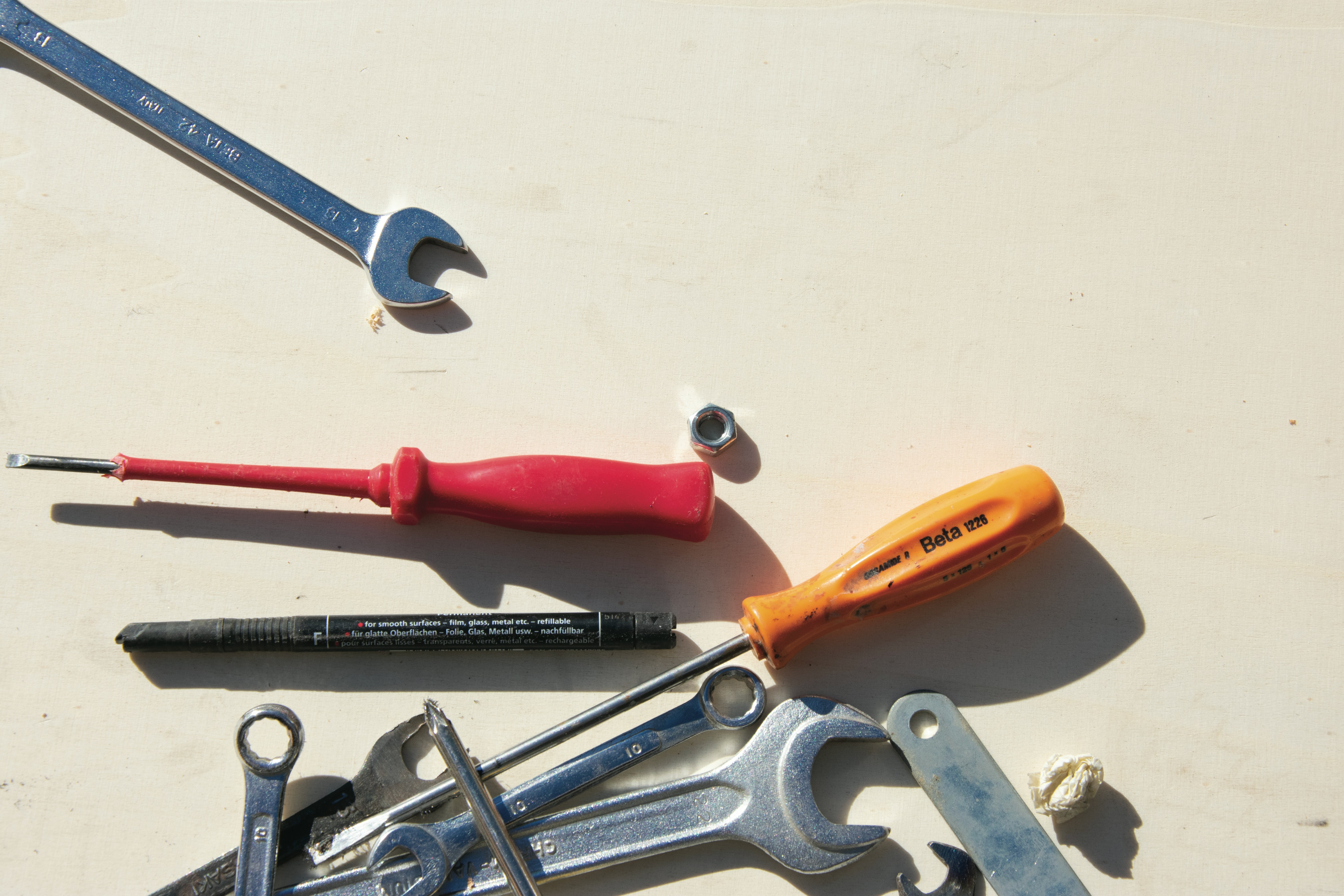
Building Your DIY Confidence, One Tool at a Time
Stepping into the world of home improvement can feel overwhelming, especially when faced with a dizzying array of tools. But fear not, aspiring DIYer! You don’t need a workshop full of expensive equipment to start making a real difference around your home. With just a handful of essential tools, you can tackle most common repairs, small projects, and even some exciting upgrades. This guide will introduce you to the top 10 home improvement tools that every beginner should own, helping you build your confidence and transform your living space, one successful project at a time.
The Essential Top 10 Home Improvement Tools for Every Beginner
Here are the fundamental tools that form the backbone of any effective home improvement toolkit. These versatile items will serve you well for a wide range of tasks, from hanging pictures to assembling furniture and making minor repairs.
1. Tape Measure
Accuracy is paramount in DIY, and a good tape measure is your best friend. Look for one that’s at least 25 feet long with a sturdy, lockable blade. It’s indispensable for everything from measuring furniture for a new layout to ensuring your floating shelves are perfectly spaced.
2. Claw Hammer
A classic for a reason, the claw hammer is essential for driving nails and, with its clawed end, pulling them out. Choose a comfortable weight that feels balanced in your hand. It’s perfect for hanging decor, light demolition, and general assembly.
3. Screwdriver Set
From tightening loose cabinet handles to assembling flat-pack furniture, a good set of screwdrivers (both Phillips and flathead in various sizes) is a must-have. Consider a multi-bit screwdriver for convenience, but dedicated screwdrivers often offer better grip and torque.
4. Cordless Drill/Driver
This is arguably the most important power tool for a beginner. A cordless drill makes quick work of drilling pilot holes, driving screws, and even light sanding with the right attachments. Look for a model with adjustable torque settings and a comfortable grip. Don’t forget a good set of drill bits!
5. Pliers (Needle-Nose and Adjustable)
Pliers are incredibly versatile for gripping, bending, and cutting. Needle-nose pliers are great for delicate work and reaching into tight spaces, while adjustable pliers (like channel locks or slip-joint pliers) are perfect for gripping nuts, bolts, and pipes. They’re invaluable for plumbing fixes and general assembly.
6. Utility Knife
A sharp utility knife is safer and more effective than scissors for many tasks. It’s perfect for opening boxes, cutting drywall, trimming carpet, and scoring materials. Always use a fresh, sharp blade and exercise caution.
7. Level
For anything you want to hang straight – shelves, pictures, mirrors – a level is non-negotiable. A 2-foot or 4-foot level is a good all-around size, but a smaller torpedo level can be handy for tight spaces. Ensure your projects look professional and perfectly aligned.
8. Adjustable Wrench
Instead of buying a whole set of wrenches, an adjustable wrench can handle a variety of nut and bolt sizes. It’s particularly useful for plumbing tasks, tightening fittings, and assembling outdoor furniture. Make sure it has a comfortable grip and smooth adjustment.
9. Stud Finder
Before drilling or hanging anything heavy on your walls, a stud finder is crucial. It helps you locate the wooden studs behind your drywall, providing a secure anchor point for shelves, TVs, and other heavy items. This tool prevents damage and ensures safety.
10. Safety Glasses and Gloves
While not a tool in the traditional sense, safety gear is paramount. Always wear safety glasses when drilling, hammering, or working with power tools to protect your eyes from debris. Gloves can protect your hands from splinters, cuts, and chemicals. Prioritizing safety ensures your DIY projects are enjoyable and injury-free.
Conclusion: Empowering Your DIY Journey
With these top 10 home improvement tools in your arsenal, you’re well-equipped to tackle a wide range of DIY projects and repairs around your home. Remember, every expert was once a beginner, and building your toolkit is the first exciting step on your journey to becoming a confident DIYer. Start small, practice often, and enjoy the satisfaction of improving your home with your own hands.
Ready to Start Your Next Project?
Now that you have your essential tools, what will you build or fix next? Explore more practical guides and inspiring DIY projects on Hobbies & Homes. Don’t forget to subscribe to our newsletter for exclusive tips, tricks, and downloadable resources to help you master home improvement!
- 5 Simple Spring Activities to Do at Home (That Don’t Cost Much)

- A Brief Update From Hobbies & Homes

- Building for the Future: Why Hobbies & Homes is About More Than Just Today

- Sharpshooter: A Fun DIY Archery Game for Family Fun All Year Round

- The Skills I Didn’t Learn Early Enough (and How They Eventually Changed Everything)


Leave a Reply