This content was created with AI assistance and reviewed for accuracy and quality by the H&H team.
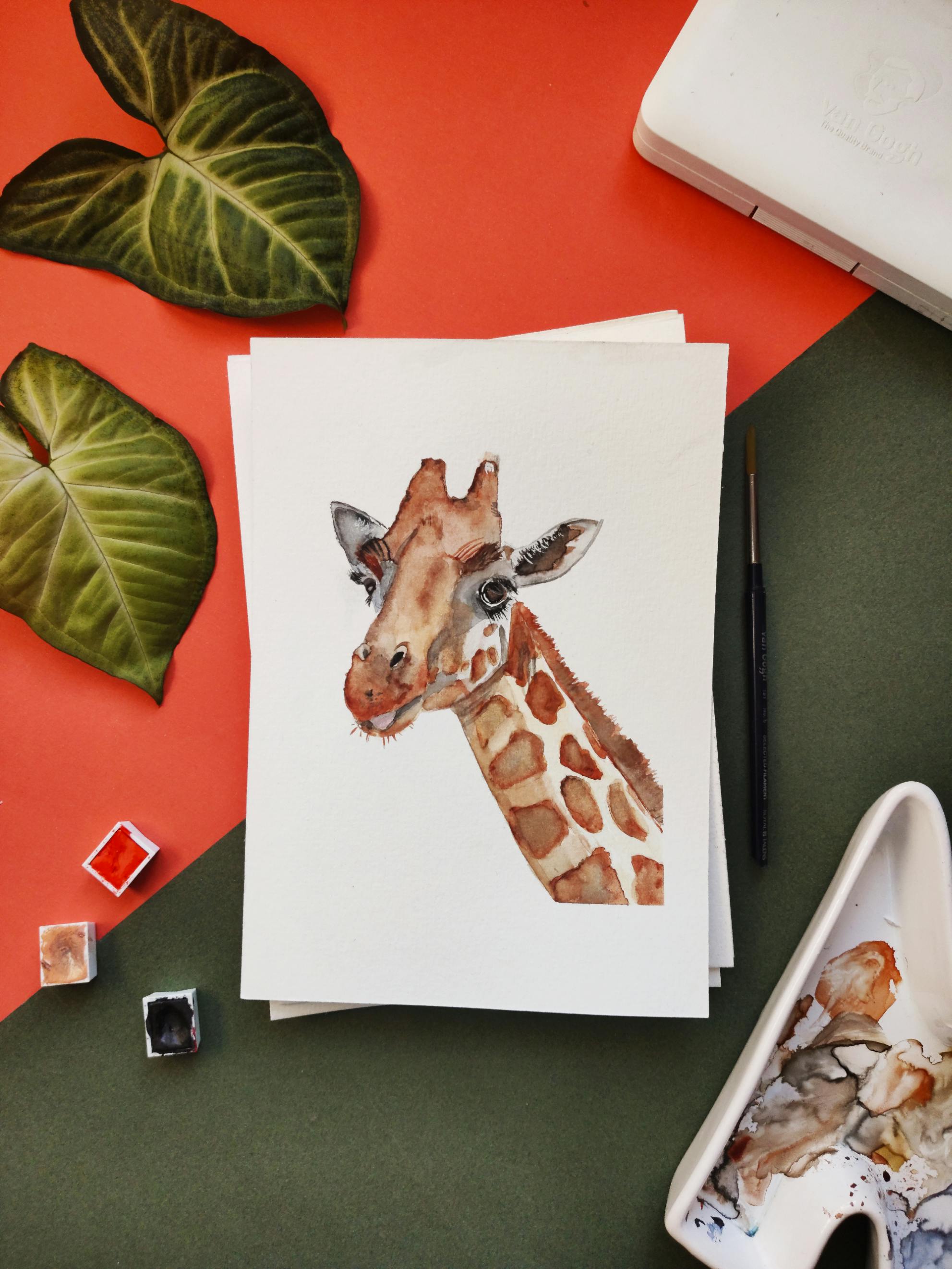
Watercolor painting is an enchanting art form that uses pigments suspended in water-soluble binders, allowing for luminous, transparent washes and vibrant hues. It’s celebrated for its fluidity, delicate blending abilities, and the unique way it interacts with paper. Whether you’re a seasoned artist or just beginning, this guide offers essential insights into supplies, techniques, and tips to help you start your watercolor journey.
Why Watercolor Painting?
Watercolor isn’t just about creating beautiful art…it’s about enriching your life:
- Creative Expression: Watercolor offers a versatile outlet to bring your emotions and imagination to life, from realistic landscapes to abstract compositions.
- Relaxation and Mindfulness: The gentle flow of watercolor painting encourages mindfulness and stress reduction, promoting focus and tranquility.
- Portability and Easy Cleanup: With compact supplies and easy cleanup, watercolor is perfect for painting on the go or in small spaces.
- Affordable: Watercolor materials are accessible, with plenty of options for beginners to explore without a major financial investment.
Essential Supplies to Get Started
- Watercolor Paints: Start with a basic set of 12-24 colors. Artist-grade paints offer vibrant results, but student-grade works perfectly fine for beginners.
- Watercolor Paper: Choose thicker, absorbent paper (140 lb or 300 gsm) designed for watercolor. Cold-press is ideal for textured surfaces.
- Brushes: Begin with a few versatile brushes: a round brush (sizes 8 or 10), a flat brush (1/2 inch or 1 inch), and a small round brush (sizes 2 or 4).
- Palette: A simple ceramic plate or plastic palette works great for mixing colors.
- Water Containers and Towels: You’ll need two water containers for rinsing and mixing, and some paper towels or a sponge for blotting and moisture control.
Basic Techniques to Master
- Flat Wash: Apply a smooth layer of diluted color across the surface in overlapping strokes.
- Graded Wash: Create a transition from dark to light by adding more water as you paint.
- Wet-on-Wet: Apply wet paint to wet paper for soft, diffused edges and beautiful blending.
- Wet-on-Dry: Apply wet paint to dry paper for sharp edges and more defined shapes.
- Lifting: Remove wet paint to create highlights or soften edges.
- Layering (Glazing): Build depth by layering transparent washes over dry paint.
Best Practices for Success
- Control Water: The key to mastering watercolor is learning how to control water on your brush and paper.
- Work Light to Dark: Start with lighter washes and gradually build darker tones to avoid muddying your colors.
- Let Layers Dry: Patience is crucial. Allow each layer to dry fully before adding new colors to avoid unwanted blending.
- Practice Strokes: Experiment with different brush pressures and angles to create varied textures and shapes.
Overcoming Common Challenges
Beginners often encounter challenges such as:
- Paper Buckling: Use high-quality watercolor paper or stretch your paper before painting to prevent buckling.
- Muddy Colors: Allow layers to dry fully before adding new ones, and avoid overworking the paint.
- Difficulty with Control: Embrace the fluid nature of watercolor and practice techniques like wet-on-wet for more flexibility.
Tips for Success
- Start Simple: Begin with simple subjects, such as fruits or basic landscapes, and focus on learning the medium rather than perfection.
- Practice Regularly: Short, consistent practice sessions will build your skills and confidence.
- Experiment: Watercolor is a medium of discovery…embrace happy accidents and allow yourself to explore new techniques.
Watercolor painting is a rewarding journey of discovery, where you can express your creativity and embrace spontaneity. While it may present its unique challenges, with the right tools, patience, and practice, anyone can learn to master this magical medium.
For more detailed techniques, tips, and challenges to watch out for, download the full guide or explore our related blog posts!