This content was created with AI assistance and reviewed for accuracy and quality by the H&H team.
Safety is of the utmost importance when in or around the water. Please explore our Underwater Safety Fundamentals guide.
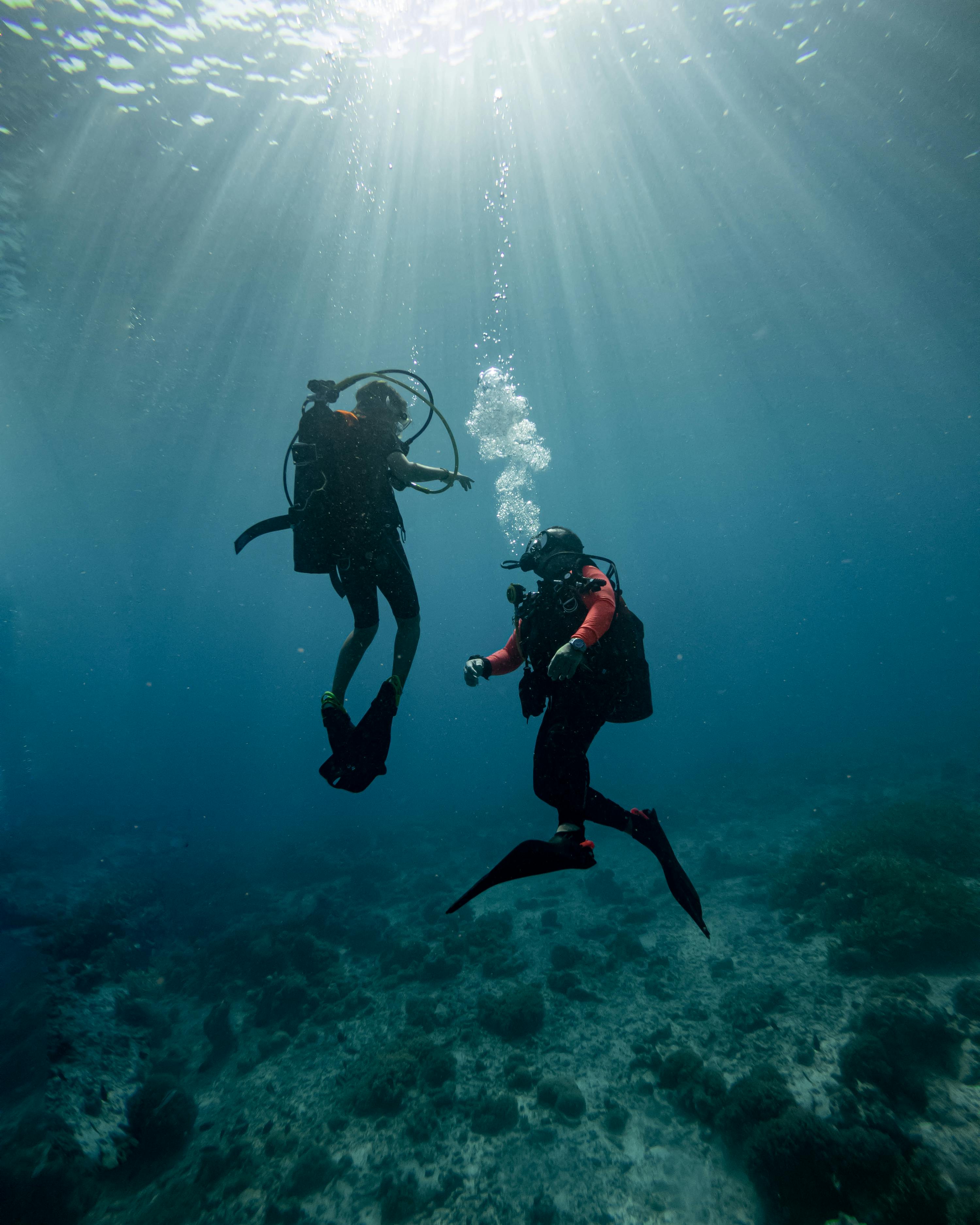
Scuba diving and snorkeling offer unparalleled opportunities to explore the mesmerizing underwater world, revealing vibrant marine ecosystems, diverse aquatic life, and hidden geological wonders. While both activities provide a unique window into the ocean’s depths, they cater to different levels of immersion and skill. Snorkeling, accessible to almost anyone, allows for surface-level observation, while scuba diving enables deeper, prolonged exploration with specialized breathing apparatus. This guide will introduce beginners to both hobbies, outlining their benefits, essential equipment, techniques, and tips for a safe and enriching underwater adventure.
Benefits / Importance
Physical Benefits:
- Full-Body Workout: Both activities engage various muscle groups, particularly the legs (from kicking fins) and core, contributing to overall fitness. Scuba diving improves cardiovascular health.
- Improved Respiratory Health: Scuba diving enhances lung function and promotes better breathing techniques.
- Flexibility & Strength: Water improves flexibility and builds muscle strength without high impact on joints.
Mental & Emotional Benefits:
- Stress Reduction: The serene underwater environment, characterized by calm and muffled sounds, reduces stress significantly.
- Enhanced Focus & Mindfulness: The concentration required for breathing control and buoyancy in scuba diving, or simply observing marine life while snorkeling, improves focus.
- Connection to Nature: Both hobbies foster a deeper appreciation for marine life, biodiversity, and conservation.
- Sense of Adventure & Accomplishment: Exploring new underwater landscapes brings a sense of adventure and achievement.
Essential Supplies / Tools / Preparation
Snorkeling Essentials:
- Mask: A high-quality mask that forms a tight seal around your face is essential for clear vision.
- Snorkel: Semi-dry or dry snorkels are recommended for beginners.
- Fins: Snorkeling fins are smaller than scuba fins and designed for surface propulsion.
- Sun Protection: Rashguards, wetsuits, and reef-safe sunscreen are vital to protect against harmful UV rays.
- Snorkeling Vest: Optional but recommended for beginners for added buoyancy.
- Towel & Change of Clothes: For comfort and convenience.
Scuba Diving Essentials:
- Buoyancy Control Device (BCD): A vest-like device that holds your tank and controls buoyancy underwater.
- Regulator: Delivers air from the tank to you.
- Dive Computer/Watch: Tracks depth and decompression limits.
- Wetsuit/Dry Suit: Provides thermal insulation.
- Weights & Weight Belt: Counteracts buoyancy, allowing you to descend.
- Dive Knife/Tool: For safety, to cut entanglements.
- Surface Marker Buoy (SMB): Signals your position to boats on the surface.
Preparation for Both:
- Learn to Swim: Strong swimming skills are fundamental.
- Health Check: Consult a doctor, especially for scuba diving.
- Certification (Scuba Diving): Required for scuba diving (e.g., Open Water Diver).
- Buddy System: Always snorkel or dive with a buddy for safety.
- Check Conditions: Always check weather, water temperature, currents, and visibility before entering the water.
- Respect Marine Life: Avoid disturbing coral reefs and marine life.
Techniques / Methods / Best Practices
Snorkeling Techniques:
- Mask Fit & Clearing: Ensure your mask fits snugly. Practice clearing water from the mask by exhaling through your nose.
- Snorkel Breathing: Breathe slowly and deeply through your snorkel. If water enters, forcefully exhale to clear it.
- Finning Technique: Use long, slow, powerful kicks from your hips.
- Surface Swimming: Stay calm and relaxed while floating on the surface.
Scuba Diving Techniques:
- Equalization: Prevent ear and sinus pain during descent by equalizing pressure.
- Buoyancy Control: Use your BCD to maintain neutral buoyancy and hover effortlessly.
- Finning Techniques: Use efficient fin kicks to conserve energy.
- Buddy Checks: Always perform a buddy check before each dive.
- Ascent & Descent: Control ascent rates and perform safety stops to prevent nitrogen buildup.
Best Practices for Both:
- Never Hold Your Breath (Scuba Diving): Holding your breath while ascending can cause serious lung injuries.
- Stay Hydrated: Drink plenty of water before and after the activity.
- Conserve Energy: Move slowly and deliberately to conserve air (scuba) and energy (snorkeling).
- Respect Marine Life: Observe from a distance, never touch or feed marine animals.
- Dive Within Your Limits: Never exceed your training or experience limits.
Common Challenges & Solutions
Snorkeling Challenges:
- Foggy Mask: Apply defogging solution or baby shampoo to the inside of your mask.
- Water in Snorkel: Practice clearing your snorkel by forcefully exhaling.
- Fatigue: Practice proper finning technique and choose calm waters.
- Sunburn: Wear a rashguard or wetsuit and apply reef-safe sunscreen.
Scuba Diving Challenges:
- Ear/Sinus Pain: Equalize early and often, or ascend slightly if you can’t equalize.
- Buoyancy Control Issues: Practice buoyancy control, and fine-tune your weighting.
- Air Consumption: Relax and breathe slowly. Practice efficient finning.
- Anxiety/Panic: Start with proper training and dive with an experienced buddy.
- Equipment Malfunctions: Regular maintenance and pre-dive checks are essential.
Tips for Success
- Start with Snorkeling: If new, begin with snorkeling to get comfortable with equipment before scuba diving.
- Get Certified: Invest in proper scuba diving certification for safety and knowledge.
- Rent Before You Buy: Rent equipment initially to discover what works best for you.
- Dive/Snorkel with a Local Guide: A guide can lead you to the best spots and ensure safety.
- Continue Your Education: Consider advanced courses to expand your skills.
- Document Your Adventures: Keep a dive log or bring an underwater camera.
Conclusion
Scuba diving and snorkeling open up a breathtaking world beneath the waves, offering adventures that combine physical activity with profound moments of discovery and tranquility. With proper training, essential gear, and a commitment to safety and marine conservation, anyone can embark on this incredible journey. So, take the plunge, embrace the call of the ocean, and prepare to be amazed by the wonders that lie beneath the surface.
For more information, download our comprehensive guide for free!