The Quiet Drip and Your Empowering Fix
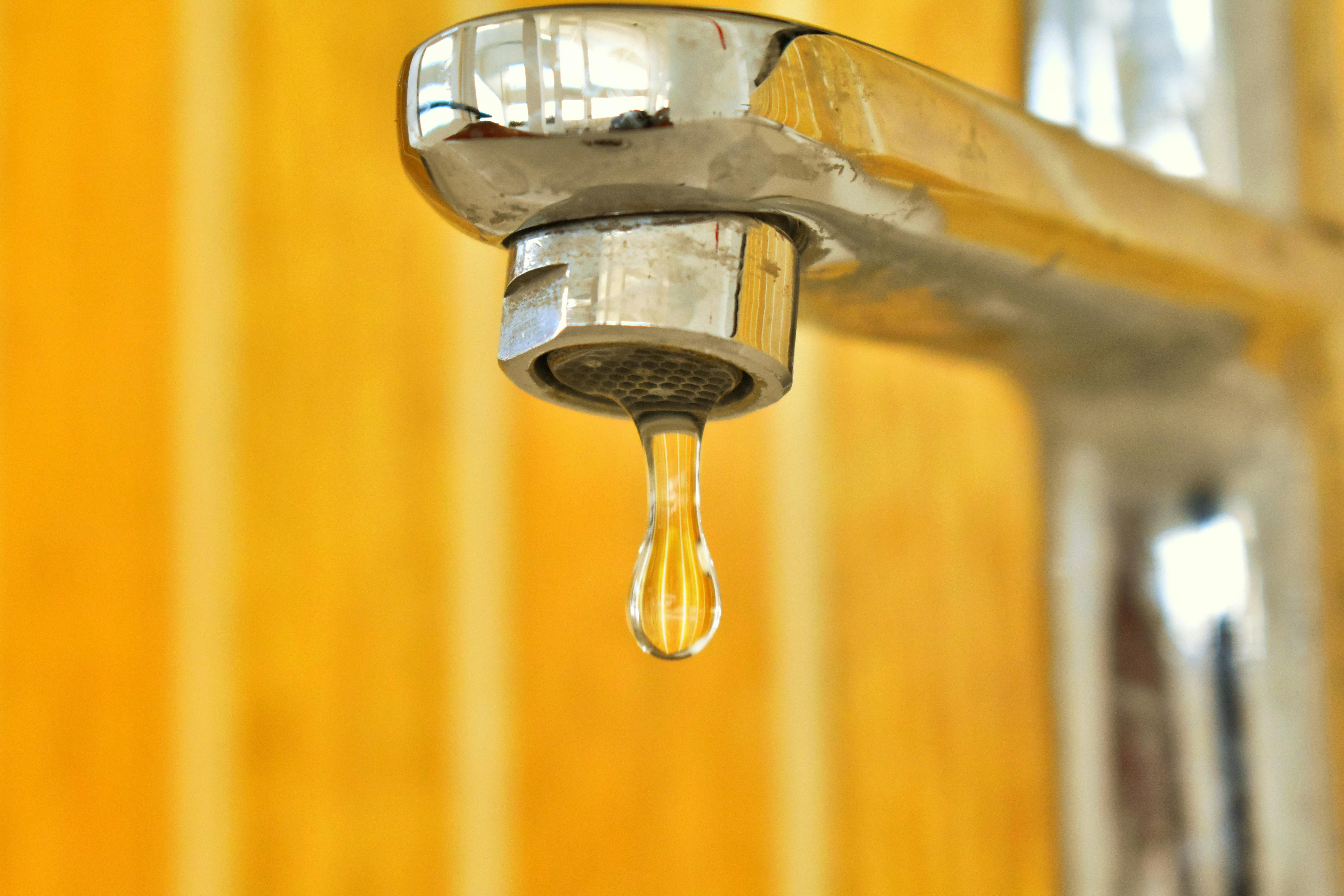
There’s a subtle, persistent sound that many homeowners come to dread: the
rhythmic drip, drip, drip of a leaky faucet. It might seem like a minor annoyance, but this seemingly small issue can lead to significant water waste, increased utility bills, and even potential damage to your plumbing system over time. More than just a nuisance, a leaky faucet is a call to action, an opportunity to gain a valuable skill that empowers you to take control of your home maintenance. This guide is designed for the absolute beginner, the curious individual ready to roll up their sleeves and tackle a common household problem with confidence. You don’t need to be a seasoned plumber; you just need a willingness to learn and a few basic tools. By the end of this step-by-step journey, you’ll not only have silenced that annoying drip but also gained a profound sense of accomplishment and a practical skill that will serve you for years to come. This isn’t just about fixing a faucet; it’s about building self-reliance and understanding the mechanics of your home, one drip at a time.
Tools and Materials: Your Essential Toolkit
Before you embark on your faucet-fixing adventure, gathering the right tools and materials is crucial. Think of this as preparing your workbench for a rewarding project. Most of these items are readily available at any hardware store, are relatively inexpensive, and will become invaluable additions to your home maintenance kit. Having everything laid out before you begin will save you time and frustration.
Here’s what you’ll need:
- Adjustable Wrench: This versatile tool will be your best friend for loosening and tightening nuts of various sizes. A medium-sized one should suffice for most faucet repairs.
- Screwdrivers (Phillips and Flathead): Faucets often have screws holding handles or decorative caps in place. A basic set of both Phillips and flathead screwdrivers will cover most scenarios.
- Pliers (Slip-Joint or Groove-Joint): Useful for gripping and turning, especially in tight spaces. They can help with stubborn nuts or holding components steady.
- Utility Knife or Small Flathead Screwdriver: Handy for gently prying off decorative caps or trim pieces without causing damage.
- Flashlight or Headlamp: Good lighting is essential, especially when working under sinks or in dimly lit areas. A headlamp keeps your hands free.
- Bucket and Rags: A bucket will catch any residual water when you disconnect pipes, and rags are indispensable for wiping up spills and keeping your workspace clean.
- Plumber’s Tape (PTFE Tape/Teflon Tape): This thin, white tape is used to seal pipe threads, preventing leaks. It’s inexpensive and a must-have for any plumbing task.
- Plumber’s Grease (Silicone-based): A small amount of this grease can lubricate O-rings and other rubber components, helping them seal better and last longer. Ensure it’s safe for potable water systems.
- Replacement Parts (Washers, O-Rings, Cartridges): This is where a little detective work comes in. Depending on your faucet type and the nature of the leak, you might need specific replacement parts. It’s often a good idea to have a general assortment of common washer and O-ring sizes, or even a faucet repair kit specific to your faucet’s brand if you can identify it. We’ll discuss identifying your faucet type shortly.
- Safety Glasses: Always protect your eyes from stray debris or unexpected splashes.
Having these items ready will ensure a smooth and efficient repair process, allowing you to focus on the task at hand rather than scrambling for tools.
The Step-by-Step Faucet Repair Process
Now that you have your tools and materials ready, let’s dive into the practical steps of fixing that leaky faucet. Remember to approach each step with patience and attention to detail. This process is designed to be accessible for beginners, breaking down what might seem complex into manageable actions.
Step 1: Prepare Your Workspace and Shut Off the Water Supply
Before touching any part of the faucet, it’s paramount to prepare your work area and, most importantly, turn off the water supply. This prevents unexpected sprays and potential flooding, ensuring a safe and clean repair process. Place a bucket or old towels under the faucet to catch any residual water that might drain out.
Locate the shut-off valves directly beneath the sink for the specific faucet you’re working on. There are usually two valves, one for hot water and one for cold. Turn both valves clockwise until they are completely closed. If your sink doesn’t have individual shut-off valves, you’ll need to turn off the main water supply to your entire home, typically found in your basement, utility closet, or outside your house. Once the water is off, open the faucet handles to drain any remaining water from the lines and relieve pressure. This also confirms that the water supply is indeed off.
Step 2: Identify Your Faucet Type and Disassemble
Faucets come in several common types, and understanding yours will guide your disassembly process. The four main types are compression, cartridge, ball, and ceramic disc. While the internal mechanisms differ, the initial steps for accessing the internal components are often similar. Take a moment to observe your faucet’s design; this will help you determine how to proceed with disassembly.
Most faucets will have a decorative cap or screw cover on the handle. Use a utility knife or a small flathead screwdriver to gently pry off these caps. Beneath them, you’ll usually find a screw (either Phillips or flathead) that secures the handle. Unscrew this and carefully remove the handle. Once the handle is off, you’ll begin to see the internal workings. For compression faucets, you’ll typically find a packing nut that needs to be unscrewed to access the washer. For cartridge, ball, or ceramic disc faucets, you’ll likely encounter a retaining nut or clip that holds the cartridge or ball assembly in place. Refer to your faucet’s specific model if you have the manual, or take photos as you go to aid reassembly.
Step 3: Inspect and Replace Worn Components
With the faucet disassembled, it’s time for the detective work: identifying the culprit behind the leak. The most common causes are worn-out washers, O-rings, or cartridges. Carefully remove the internal components, paying close attention to their order and orientation. This is where those photos you took during disassembly will come in handy.
Examine all rubber washers and O-rings for signs of wear, cracking, or deterioration. These components create seals that prevent water from escaping. If they appear damaged, replace them with new ones of the exact same size and material. For cartridge or ceramic disc faucets, inspect the cartridge or discs for cracks, chips, or mineral buildup. Often, replacing the entire cartridge is the most effective solution for these types. You can usually find replacement parts at hardware stores; bringing the old part with you ensures you get a perfect match. Before reassembling, clean any mineral deposits or debris from the faucet body and lubricate new O-rings with plumber’s grease to ensure a smooth fit and better seal.
Step 4: Reassemble the Faucet
Once you’ve replaced the faulty components, it’s time to put everything back together. This is essentially the reverse of the disassembly process. Carefully place the new washers, O-rings, or cartridge back into their correct positions. Ensure all parts are seated properly and aligned as they were originally. Tighten any retaining nuts or clips securely, but avoid over-tightening, which can damage new parts or strip threads.
Reattach the faucet handle, securing it with the screw you removed earlier. Replace any decorative caps or covers. Double-check that all connections are snug. It’s crucial to ensure every piece is correctly fitted to prevent new leaks or operational issues. A methodical approach here will save you from having to repeat the process.
Step 5: Restore Water Supply and Test for Leaks
With the faucet fully reassembled, it’s time for the moment of truth: testing your repair. Slowly turn the hot and cold water shut-off valves back on, counter-clockwise, until they are fully open. Listen for any unusual sounds and carefully observe the faucet for any immediate signs of leaking. Open the faucet handles to allow water to flow, checking both hot and cold settings. Let the water run for a minute or two, then close the handles and watch closely for any drips or seeps around the spout, handles, or base of the faucet.
Inspect all connections, especially those under the sink, for any moisture. If you spot a small leak, gently tighten the corresponding nut or connection. If the leak persists, you may need to repeat some steps, ensuring all parts are correctly installed and sealed. Don’t be discouraged if it takes a couple of tries; even experienced DIYers sometimes need to make minor adjustments. The satisfaction of a leak-free faucet is well worth the effort. Congratulations, you’ve just fixed a leaky faucet!
Common Mistakes Beginners Make and How to Avoid Them
Even with clear instructions, beginners can sometimes fall into common traps. Being aware of these pitfalls can help you avoid frustration and ensure a successful repair. Learning from others’ experiences is a smart way to approach any DIY project.
1. Not Shutting Off the Water Completely
This is perhaps the most common and messiest mistake. Forgetting to turn off the water supply, or not turning it off completely, can lead to a sudden gush of water when you disassemble the faucet. This not only creates a mess but can also damage your cabinets or flooring.
How to Avoid: Always double-check that both hot and cold water supply valves under the sink are fully closed. If your sink doesn’t have individual shut-off valves, turn off the main water supply to your house. After turning off the valves, open the faucet to release any remaining pressure and confirm that no water flows out.
2. Over-tightening Components
It’s natural to want to make sure everything is secure, but over-tightening nuts and screws can cause more harm than good. It can strip threads, crack plastic components, or compress rubber washers and O-rings excessively, leading to premature wear or new leaks.
How to Avoid: Tighten components until they are snug, then give them a quarter to half-turn more. For plastic parts, be especially gentle. The goal is a secure seal, not brute force. If a part feels like it’s resisting too much, stop and re-evaluate.
3. Not Using the Correct Replacement Parts
Faucets are not one-size-fits-all, and neither are their internal components. Using a washer or O-ring that’s slightly too big or too small, or a cartridge that isn’t designed for your specific faucet model, will almost certainly result in a continued leak or a new problem.
How to Avoid: When replacing parts, always take the old part with you to the hardware store. This ensures you get an exact match. If you can’t identify the part, take a photo of your faucet and the disassembled component, and ask for assistance from a store associate. Investing in a faucet repair kit specific to your brand can also be a good idea.
4. Losing Small Parts
Faucets contain many small screws, washers, and springs that can easily roll away or get lost, especially in a cluttered workspace. A missing small part can bring your entire repair to a halt.
How to Avoid: Work in a clean, well-lit area. Place a towel in the sink basin to prevent dropped parts from going down the drain. As you disassemble, place all removed parts in a logical order on a clean cloth or in a small container. Taking photos at each stage of disassembly can also help you remember where everything goes.
5. Forgetting Plumber’s Grease on O-Rings
While not always strictly necessary for a seal, applying plumber’s grease to O-rings and other rubber seals significantly extends their lifespan and helps them seat properly, preventing future leaks.
How to Avoid: Make it a habit to lightly coat all new O-rings and rubber washers with a silicone-based plumber’s grease before installation. This lubrication helps them slide into place without tearing and creates a better, longer-lasting seal. Ensure the grease is safe for potable water applications.
Troubleshooting: When Things Go Wrong
Even the most careful DIYer can encounter unexpected issues. Don’t be discouraged if your faucet still drips or presents a new problem after your repair. Troubleshooting is a normal part of the process, and often, the solution is simpler than you think. Here are some common problems and how to address them.
1. Faucet Still Leaks After Repair
If your faucet continues to drip or leak after you’ve reassembled it, it’s usually an indication that a component wasn’t replaced correctly, or the root cause wasn’t fully addressed. The most frequent culprits are still worn-out washers, O-rings, or cartridges that were either overlooked or not replaced with the correct size/type.
Solution: Turn off the water supply again and carefully re-disassemble the faucet. Double-check every rubber component for wear and ensure that all replacement parts are an exact match for the originals. Pay close attention to the valve seat; if it’s corroded or pitted, even a new washer won’t seal properly. You might need a valve seat dresser tool to smooth it out or replace the entire valve seat if it’s removable. Also, ensure all connections are snug but not over-tightened. Sometimes, a tiny piece of debris can get lodged in the valve mechanism, preventing a complete seal. Clean all internal surfaces thoroughly.
2. Water Leaks from the Base of the Faucet
A leak at the base of the faucet, where it meets the sink or countertop, often points to issues with the O-rings or gaskets that seal the faucet body to the mounting surface. This is particularly common with single-handle faucets that swivel.
Solution: This usually requires removing the entire faucet from the sink. Turn off the water supply and disconnect the supply lines. Underneath the sink, you’ll find mounting nuts that secure the faucet. Loosen these and lift the faucet away. Inspect the large O-rings or rubber gaskets on the underside of the faucet body. Replace any that are flattened, cracked, or worn. Apply a thin layer of plumber’s grease to the new O-rings before reinstallation. Ensure the faucet is seated correctly and the mounting nuts are tightened evenly to create a good seal.
3. Reduced Water Flow After Repair
If you notice a significant drop in water pressure or flow from the faucet after your repair, it could be due to a few reasons, such as debris blocking the aerator or a kink in the supply line.
Solution: First, check the aerator at the tip of the faucet spout. Unscrew it and clean any accumulated sediment or debris. If the flow is still low, turn off the water supply and disconnect the hot and cold supply lines from the faucet (leaving them connected to the shut-off valves). Place the ends of the supply lines in a bucket and briefly turn on the water supply to flush out any debris that might be trapped in the lines. If the problem persists, the issue might be with the faucet’s internal components, such as a partially blocked cartridge or a kinked supply line. Re-examine the cartridge for any obstructions or damage.
4. Faucet Handles Are Stiff or Hard to Turn
Stiff handles, especially after replacing O-rings or washers, often indicate a lack of lubrication or improper assembly. This is more common in compression faucets.
Solution: Disassemble the handle mechanism again. Apply a generous amount of silicone-based plumber’s grease to all moving parts, especially O-rings and the stem threads. Ensure that no parts are binding or misaligned during reassembly. Sometimes, simply loosening the packing nut slightly (for compression faucets) can alleviate stiffness, but be careful not to loosen it so much that it leaks.
By systematically checking these common troubleshooting points, you can often diagnose and resolve persistent issues, turning a potentially frustrating setback into another learning opportunity.
Optional Variations, Upgrades, or Creative Twists
Once you’ve mastered the basics of fixing a leaky faucet, you might find yourself looking for ways to enhance your plumbing prowess or simply make your home more efficient and enjoyable. This section explores some optional variations, upgrades, and creative twists for those who want to go beyond a simple repair.
1. Upgrading to Water-Saving Faucets
If your current faucet is older or constantly giving you trouble, consider upgrading to a new, water-efficient model. Modern faucets often come with features like low-flow aerators or touchless operation, which can significantly reduce water consumption and save you money on your utility bills in the long run. Many are also designed for easier maintenance, with readily available replacement cartridges.
How to Go Further: Research different faucet types and brands known for their water efficiency and durability. Look for models with the WaterSense label, indicating they meet EPA criteria for water savings. Installation of a new faucet is a natural progression from repairing an old one, utilizing many of the same skills you’ve just learned, such as shutting off water, connecting supply lines, and ensuring a watertight seal. This can be a rewarding project that combines practicality with environmental consciousness.
2. Installing a Water Filter on Your Faucet
For those concerned about water quality, adding a faucet-mounted water filter can be a simple yet impactful upgrade. These filters attach directly to your existing faucet spout and provide filtered water for drinking and cooking, improving taste and removing impurities. This is a relatively easy installation that doesn’t require extensive plumbing knowledge.
How to Go Further: Explore different types of faucet filters, from basic carbon filters to more advanced multi-stage filtration systems. Consider the cost of replacement filters and the specific contaminants you wish to remove. This upgrade can significantly enhance your daily water experience without the need for a separate pitcher filter or a more complex under-sink system.
3. Adding a Pull-Down or Pull-Out Sprayer
Especially in the kitchen, a faucet with a pull-down or pull-out sprayer can dramatically increase functionality and convenience. These allow you to easily rinse dishes, clean the sink basin, or fill pots on the countertop. While installing a new faucet with this feature is the most common approach, some existing faucets can be retrofitted with external sprayers, though this is less common and often more involved.
How to Go Further: If you’re replacing your faucet, prioritize models with integrated sprayers. Pay attention to the hose length and the sprayer’s reach to ensure it meets your needs. This upgrade transforms your sink area into a more versatile workspace, making kitchen chores more efficient and less strenuous.
4. Exploring Smart Faucets
For the tech-savvy homeowner, smart faucets offer a glimpse into the future of home plumbing. These can include features like touchless activation, precise temperature control, measured dispensing (e.g., exactly one cup of water), and even voice activation. While these are typically more expensive and might require professional installation for some features, they offer unparalleled convenience and can be a fun addition to a modern home.
How to Go Further: Research the various smart faucet technologies available. Consider how these features would integrate with your existing smart home ecosystem. While fixing a traditional leaky faucet is a foundational skill, understanding the possibilities of smart plumbing can inspire future home improvement projects and keep your home on the cutting edge of technology.
5. Learning About Different Faucet Finishes and Materials
Beyond functionality, faucets are also a significant design element in your kitchen or bathroom. Understanding different finishes (e.g., chrome, brushed nickel, bronze, matte black) and materials (e.g., brass, stainless steel, zinc alloy) can help you make informed decisions when choosing a new faucet or simply appreciating the craftsmanship of your existing one.
How to Go Further: Visit local showrooms or browse online to see the vast array of styles and finishes available. Consider how different finishes complement your existing decor and what maintenance they require. This knowledge can transform a purely utilitarian repair into an opportunity for aesthetic enhancement, allowing you to personalize your living space further.
Conclusion: Take the Plunge – Fix That Drip Today!
You’ve now walked through the comprehensive process of diagnosing, disassembling, repairing, and reassembling a leaky faucet. From understanding the different types of faucets to troubleshooting common issues and even exploring exciting upgrades, you’re equipped with the knowledge to tackle this common household problem. The rhythmic drip, drip, drip that once filled you with dread can now be seen as an opportunity – an invitation to learn, to build confidence, and to save water and money.
Don’t let that persistent leak continue to bother you. Gather your tools, review these steps, and take the plunge. The satisfaction of a silent, leak-free faucet, achieved through your own efforts, is an incredibly rewarding experience. You’ll not only have fixed a practical problem but also gained a valuable skill and a deeper appreciation for the workings of your home. So, what are you waiting for? Silence that drip and empower yourself today!


