This content was created with AI assistance and reviewed for accuracy and quality by the H&H team.
Gardening is a rewarding and accessible hobby that connects us to nature. Whether you’re growing food or flowers, the process of nurturing plants brings a deep sense of accomplishment. From a windowsill pot to a backyard garden, gardening can fit almost any space and lifestyle. This guide will help you start your own green space, transforming soil into a thriving garden.
Why Gardening?
Gardening is good for both body and mind. It’s great exercise…digging, planting, and weeding build strength and flexibility. Mentally, gardening reduces stress and boosts mood. It fosters patience, observation, and mindfulness as you learn to care for plants. Plus, growing your own food leads to healthier eating, and it builds community through sharing knowledge and produce.
Getting Started: Essential Gear
Starting a garden doesn’t require much gear…just the basics. Here’s what you’ll need:
- Hand Trowel: For digging small holes and transplanting.
- Gardening Gloves: Protect your hands from thorns and dirt.
- Pruning Shears: Useful for cutting small branches and harvesting.
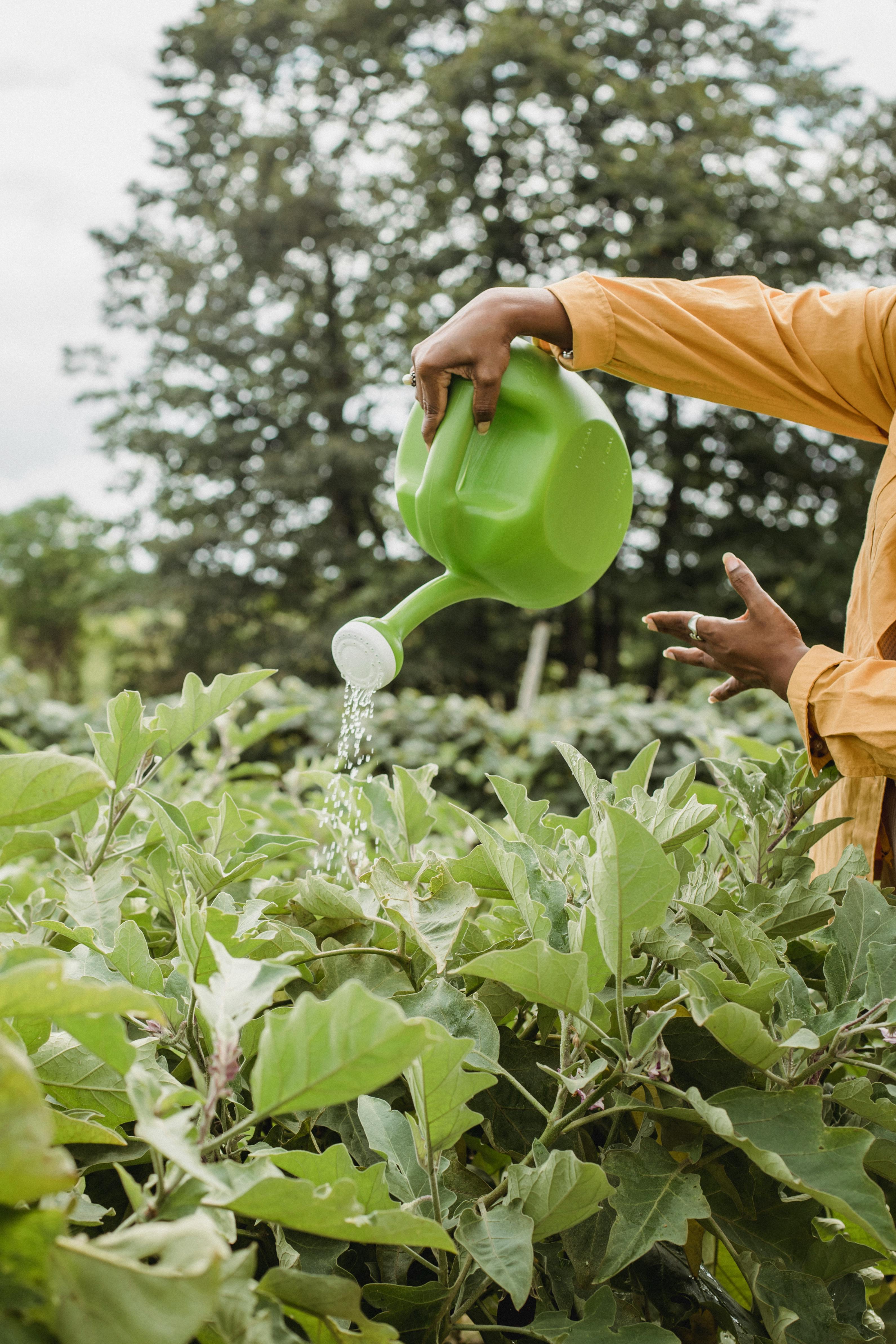
- Watering Can/Hose: Keep plants hydrated.
- Spade or Shovel: For digging and turning soil.
- Garden Fork: Ideal for loosening compacted soil.
- Wheelbarrow: Great for moving soil or compost (optional).
Planting and Care Tips
- Watering: Water deeply, reaching the roots, and avoid watering overhead to prevent diseases. Early morning is the best time to water.
- Weeding: Keep weeds in check, as they compete for nutrients. Mulch helps suppress them.
- Fertilizing: Use compost or organic fertilizer for healthier plants.
- Pest Control: Check for pests regularly and use natural methods like hand-picking or beneficial insects.
Best Practices
- Crop Rotation: Rotate crops each year to avoid soil depletion.
- Companion Planting: Some plants help each other grow or repel pests (e.g., marigolds with tomatoes).
- Succession Planting: Plant in intervals to ensure a steady harvest.
Common Challenges & Solutions
- Yellowing Leaves: Check soil pH, watering, and sunlight. Add compost for nutrients.
- Pests: Hand-pick larger pests, or use insecticidal soap. Consider introducing ladybugs for aphids.
- Weeds: Mulch heavily and weed regularly to keep them under control.
- Limited Space: Use container or vertical gardening for small spaces.
Tips for Success
- Start Small: Don’t overwhelm yourself…begin with a small garden and easy-to-grow plants.
- Observe: Spend time in your garden every day to learn from your plants.
- Keep a Journal: Track what you plant, when, and the results to improve next season.
- Join a Community: Connect with other gardeners for support and ideas.
- Be Patient: Gardening is a journey. Celebrate small successes and learn from the challenges.
Conclusion
Gardening is a fulfilling journey of growth and discovery. Whether you’re creating a vegetable garden or a flower bed, it’s a hobby that nurtures both plants and well-being. With a bit of care, patience, and effort, anyone can grow a thriving garden. Get your hands dirty, embrace the process, and watch your green space bloom!
For more information, download our comprehensive guide today!