This content was created with AI assistance and reviewed for accuracy and quality by the H&H team.
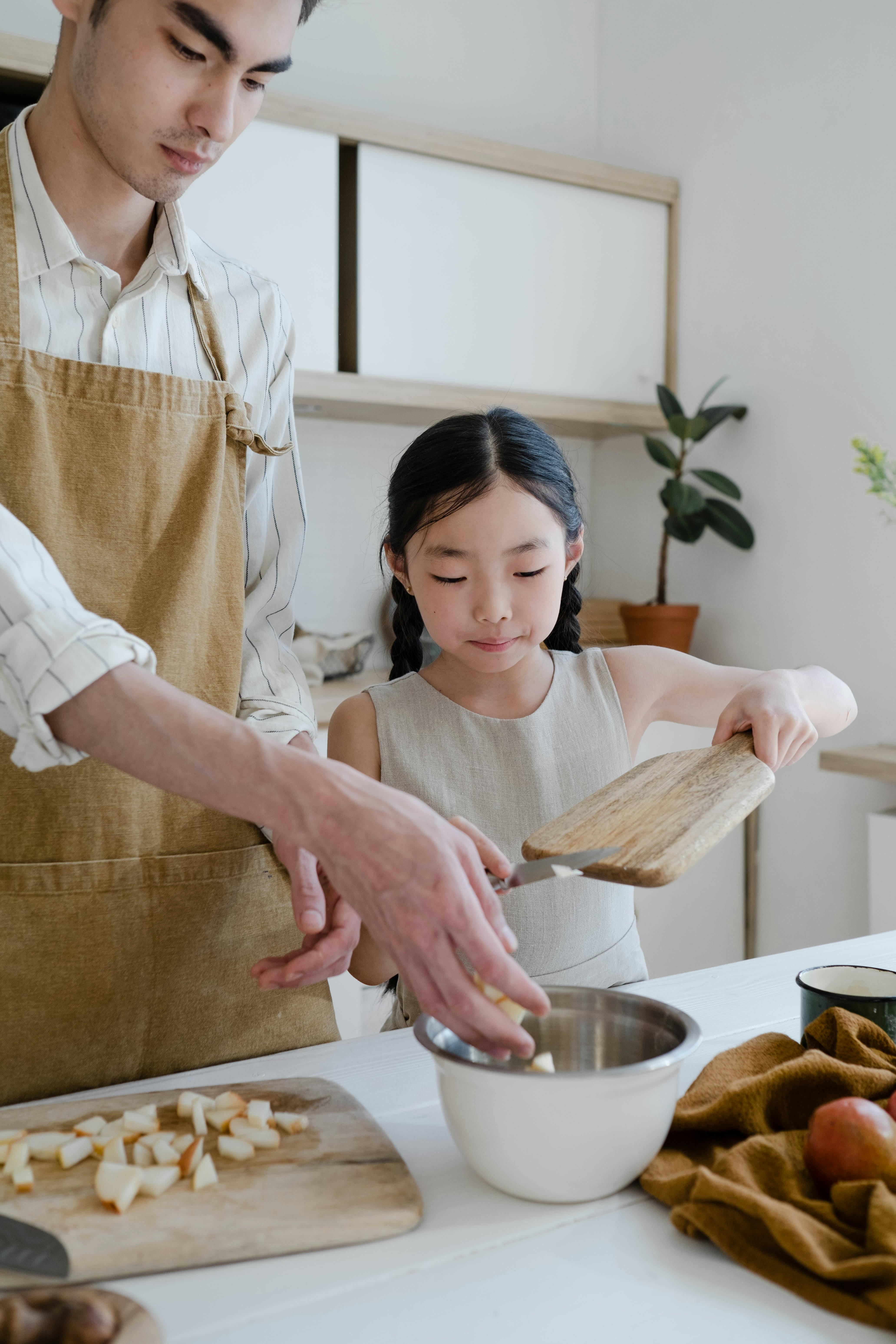
Cooking together is a simple way to turn your kitchen into a place of learning, warmth, and shared accomplishment. Kids can stir, measure, wash produce, or decorate, while older helpers can chop or read through recipe steps. These activities give everyone a role and bring a steady rhythm of laughter, learning, and good food.
Why Cooking Together Matters
Working as a team in the kitchen teaches skills and builds confidence in a comfortable, low pressure environment.
- Children learn measuring, reading instructions, basic knife safety, and how ingredients work together.
- Cooking naturally supports math and science skills through fractions, reactions, and timing.
- Preparing food side by side encourages communication, teamwork, and patience.
- Families often find that cooking together leads to healthier eating and more willingness to try new foods.
- Baking sessions or themed meal nights can become family traditions that grow sweeter over time.
Tools and Preparation
You do not need anything fancy to create a successful family cooking experience. A few basics will make things run smoothly.
Useful tools
- Child friendly knives for soft foods
- Measuring cups and spoons
- Step stools for young helpers
- Aprons and non slip cutting boards
- Large mixing bowls
Simple preparation
- Measure ingredients ahead of time so younger children can focus on the fun steps.
- Choose recipes with several small roles so each person can take a turn.
- Go over safety reminders about hot surfaces, sharp tools, and clean hands.
Techniques to Try
The Assembly Line Baking Method
This works well for cookies, muffins, pizza dough, and other simple recipes.
- One person measures the dry ingredients.
- Another mixes the wet ingredients.
- Someone else combines everything gently.
- The final helper forms the dough, fills the muffin cups, or adds toppings.
Rotate roles for the next batch so everyone gets a chance to try something new.
Themed Dinner Nights
Turn dinner into a small celebration.
- Pick a theme such as Italian night, breakfast for dinner, or rainbow meals.
- Assign jobs based on age and ability. Young kids can wash produce or decorate the table, while older helpers chop or mix.
- Spend a few minutes learning something fun about the dish or culture. Music from that region adds a nice touch.
Safe Knife Skills
Teaching the claw grip and the bridge method helps children cut safely with close supervision. Start with soft foods like bananas or cucumbers.
Common Challenges
- Impatience: Keep the next step ready so the pace stays steady.
- A messy kitchen: Use the clean as you go approach to avoid a big cleanup later.
- Recipe mistakes: Treat them as learning moments. Talk through what happened and try again next time.
- Picky eaters: Involve them in preparing at least one part of the meal so they feel invested.
Tips for Success
- Begin with simple recipes that offer quick wins.
- Let go of perfection and focus on the shared experience.
- Read the recipe together before starting so everyone knows the plan.
- Sit down together and enjoy the meal as the reward for all the teamwork.
Final Thoughts
Cooking together brings a steady and comforting rhythm to family life. It teaches skills that last a lifetime and builds traditions that grow richer with every meal. When you are ready for more step-by-step guidance, the full guide is waiting for you. Download it or explore more projects to keep the creativity flowing.