This content was created with AI assistance and reviewed for accuracy and quality by the H&H team.
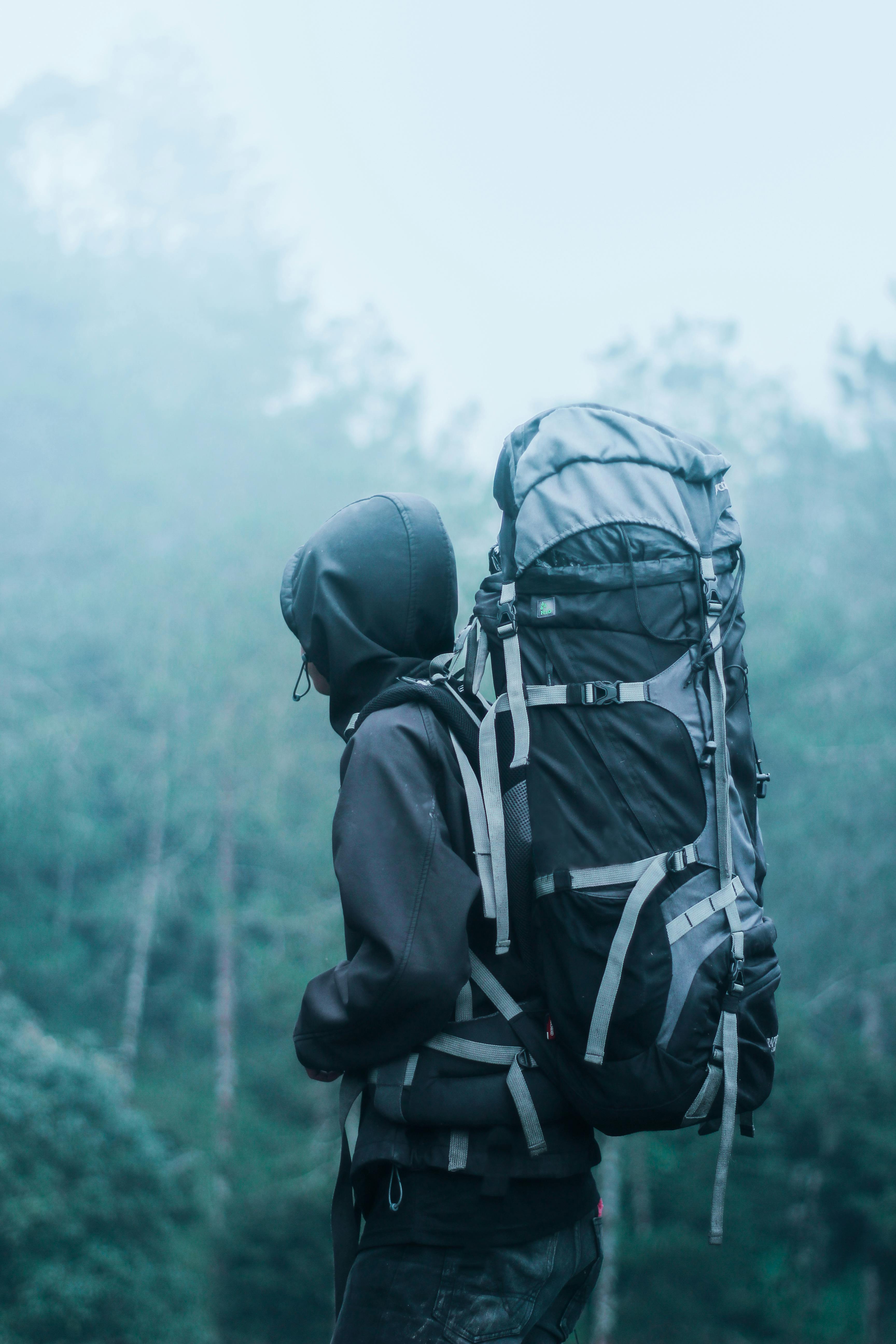
Backpacking combines hiking with backcountry camping, offering the freedom to explore remote places and spend nights under the stars. It’s about self-reliance, endurance, and discovering solitude in nature. Unlike day hiking, backpacking means carrying everything you need…your shelter, food, and gear…on your back, turning each trip into a true journey of exploration.
Essential Backpacking Gear and Preparation
- Choose the right pack: Fit matters. Your backpack should comfortably distribute weight for long distances.
- Shelter and sleep: A lightweight tent, sleeping bag, and sleeping pad keep you warm and rested.
- Navigation tools: Always carry a map and compass, even if you use GPS.
- Water and food: Bring reliable filtration and lightweight, high-calorie meals.
- Clothing layers: Avoid cotton; use moisture-wicking and insulating materials.
- Safety items: Pack a first-aid kit, headlamp, and emergency gear.
Before your trip, test your equipment, train with a loaded pack, and learn your route. Always tell someone your itinerary and expected return time.
Smart Packing and Trail Practices
- Pack light: Only bring essentials and choose multipurpose gear.
- Distribute weight: Keep heavier items close to your back for balance.
- Stay fueled: Drink water often and eat energy-dense snacks throughout the day.
- Know your limits: Hike at a steady pace and take breaks to rest and rehydrate.
Leave No Trace Basics
- Stay on marked trails and established campsites.
- Pack out all trash, including food and paper.
- Respect wildlife and never feed them.
- Use a stove when possible and keep campfires small and controlled.
- Leave nature as you found it for others to enjoy.
Common Challenges
- Overpacking: Create a strict checklist and cut non-essentials.
- Blisters: Break in boots early and carry moleskin for hot spots.
- Hydration: Carry more water than you think you’ll need.
- Weather changes: Always pack a waterproof shell and warm layers.
- Navigation errors: Learn to use your map and compass before heading out.
Tips for Success
- Start with short overnight trips to build confidence.
- Go with a friend before trying solo backpacking.
- Practice outdoor basics like knot-tying, campfire safety, and first aid.
- Keep a trail journal to record reflections and progress.
- Enjoy the journey…not just the destination.
Resources and Downloads
- Backpacking Gear Checklist (essentials for short and long trips)
- Meal Planning Guide (easy, lightweight recipes)
- Route Planner Template (track mileage, elevation, and campsites)
Backpacking is more than a physical activity…it’s an invitation to grow, adapt, and reconnect with the natural world. Each trip teaches patience, creativity, and self-reliance. So, pack smart, tread lightly, and let the trail guide your next great adventure.
Download our comprehensive guide!