This content was created with AI assistance and reviewed for accuracy and quality by the H&H team.
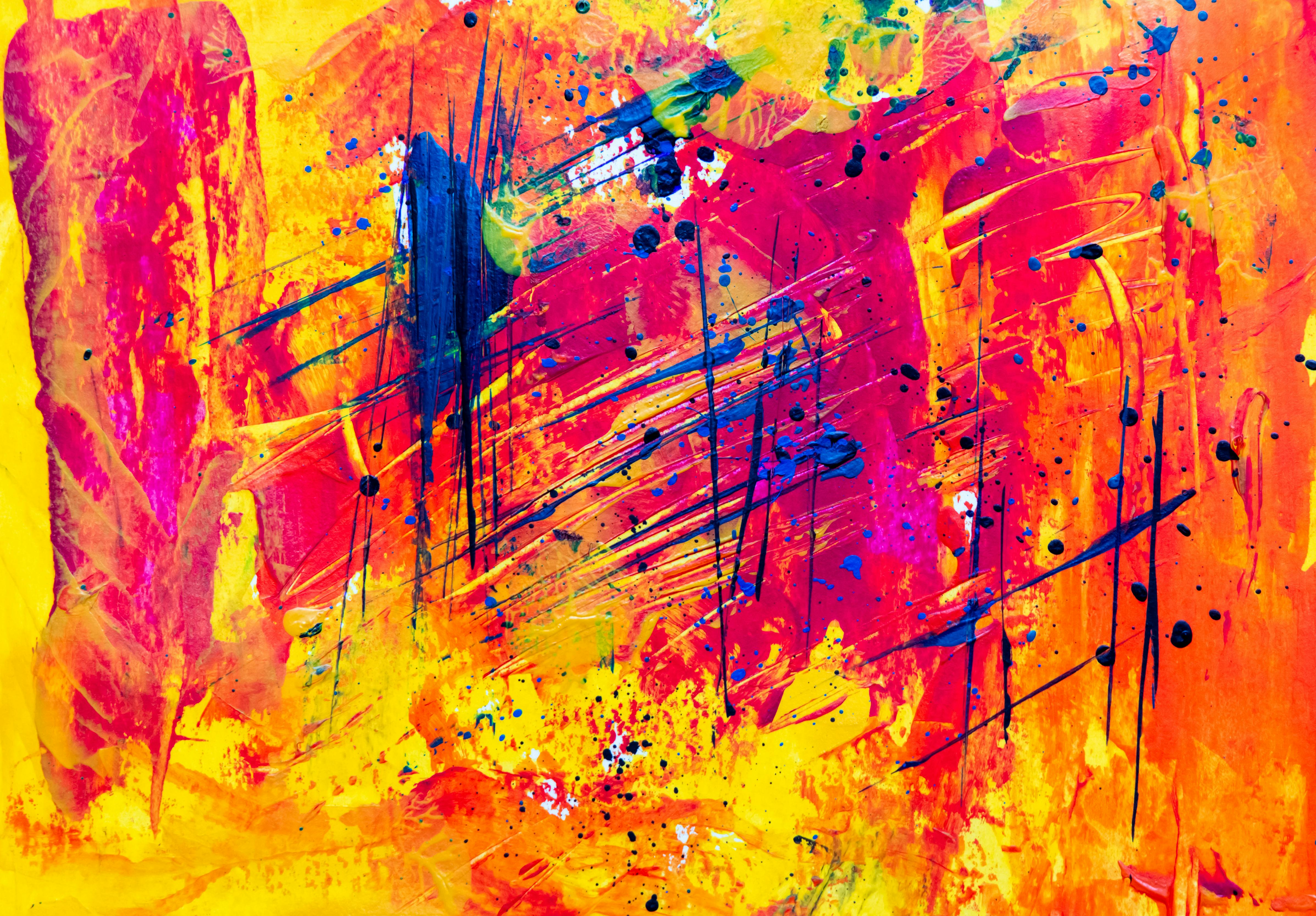
Acrylic painting is a versatile and fast-drying medium known for its vibrant colors and durability. It’s an ideal choice for both beginners and experienced artists, offering a unique combination of watercolor-like fluidity and oil-paint opacity. This guide covers essential techniques and tips to help you get started and enjoy the creative process.
Benefits of Acrylic Painting
- Versatility: Can be used on various surfaces like canvas, paper, wood, fabric, and ceramics.
- Quick Drying Time: Ideal for rapid layering and working efficiently.
- Easy Cleanup: Water-soluble, requires no harsh solvents.
- Non-Toxic & Low Odor: Safe and pleasant to use in homes and studios.
- Durability: Permanent, flexible, and water-resistant once dry.
- Affordability: Available in affordable student-grade paints, making it accessible for beginners.
Essential Supplies
- Acrylic Paints: Start with primary colors (red, blue, yellow), black, and white.
- Brushes: Include rounds (details), flats (broad strokes), and filberts (versatile for blending).
- Surfaces: Canvas, acrylic paper, wood panels, or thick cardboard.
- Palette: For mixing paint; options include ceramic, disposable paper pads, or wax paper.
- Water Containers: Two containers…one for rinsing brushes and one for clean water to thin paint.
- Palette Knife (optional): For creating texture or mixing paint.
- Gesso (optional): A primer to prep your surface for painting.
Techniques & Methods
- Layering: Apply thin layers of paint, allowing each to dry before adding the next.
- Washes: Thin acrylics with water for translucent, watercolor-like effects.
- Wet-on-Wet: Apply wet paint onto wet paint for smooth blending.
- Dry Brushing: Use a dry brush to apply a small amount of paint for textured effects.
- Impasto: Apply thick paint for a 3D effect.
- Glazing: Apply transparent layers of paint to enhance color depth and tone.
- Sgraffito: Scratch through wet paint to reveal the surface underneath.
Common Challenges & Solutions
- Fast Drying Time: Work in smaller sections, use a slow-drying medium, or keep a spray bottle handy.
- Muddy Colors: Work in layers, clean brushes between colors, and use a limited palette.
- Streaky Coverage: Ensure brushes are properly loaded with paint, and use larger brushes for big areas.
- Hard Edges in Blending: Use slow-drying mediums or the wet-on-wet technique.
- Paint Lifting Off: Ensure layers are completely dry before adding new ones.
Tips for Success
- Experiment: Acrylics are forgiving…try new techniques, mix colors, and don’t be afraid to make mistakes.
- Start Simple: Build confidence with basic subjects before tackling complex compositions.
- Practice: Regular practice, even for short periods, helps improve your skills.
- Learn Color Theory: It will improve your ability to mix and balance colors effectively.
- Watch Tutorials: Online resources can provide valuable insights and inspiration.
- Keep a Sketchbook: Use it for planning compositions and experimenting without pressure.
- Have Fun: Enjoy the process, and don’t compare your work to others.
Conclusion
Acrylic painting is a rewarding hobby that allows you to explore your creativity. By mastering essential techniques and embracing experimentation, anyone can create beautiful works of art. Grab your brushes, and start painting today!