This content was created with AI assistance and reviewed for accuracy and quality by the H&H team.
The Vertical Call to Adventure
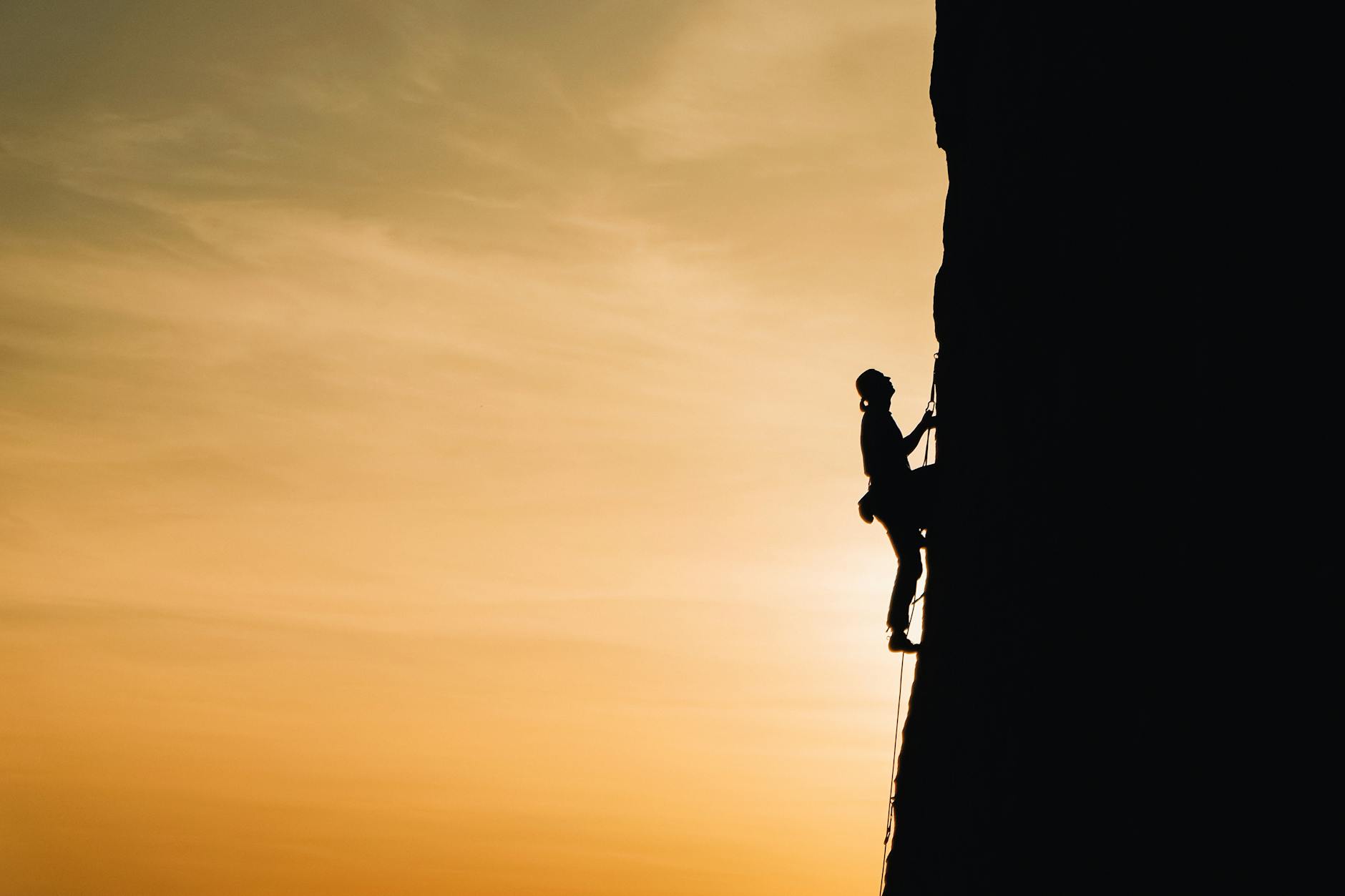
There is a distinct moment in every climber’s journey when the local crag starts to feel like a warm-up. You’ve mastered the gym routes, you’re comfortable leading your local sport climbs, and the thought of a multi-pitch route no longer induces panic, but excitement. It’s a realization that your climbing journey is just beginning, and the world’s most challenging rock is waiting.
This guide is for you, the experienced climber who has felt that same pull toward the vertical unknown. You’ve earned your stripes, and now you’re ready for the world’s best rock climbing destinations…places that demand a higher level of skill, commitment, and mental fortitude. We’re not just talking about harder grades; we’re talking about unique rock types, exposure, and a climbing culture that will fundamentally change how you approach the sport. By the end of this guide, you will have a curated list of destinations and the knowledge to plan your next world-class climbing trip, turning that initial terror into a triumphant “send.”
Why It Matters: The Difference Between Climbing and Climbing
Why pack your bags and travel halfway across the globe when there’s perfectly good rock in your backyard? The answer is simple: the world’s premier climbing destinations offer challenges and experiences that cannot be replicated.
Advanced destinations are often defined by a specific, unique style of climbing…be it the overhanging tufa routes of Kalymnos, the wide granite cracks of Yosemite, or the technical friction slabs of Fontainebleau. These places force you to develop specialized skills, pushing you past your comfort zone and refining your technique in ways that local crags simply can’t. It’s the shift from climbing for grade chasing to climbing for the experience, history, and culture of a world-class destination. It’s about testing your limits against the best nature has to offer, and in the process, becoming a more well-rounded, resilient, and resourceful climber.
Step-by-Step Instructions: Preparing for the World Stage
The leap to world-class climbing requires a strategic shift in preparation. It’s not just about getting stronger; it’s about getting smarter and more specialized.
1. Defining “Advanced”: Grades and Styles
For the purpose of this guide, we’ll define “advanced” as a climber consistently operating in the following ranges, or seeking to break into them:
| Discipline | Advanced Grade Range | Defining Challenge |
|---|---|---|
| Sport Climbing | 5.12+ (French 7a+) | Sustained endurance, complex sequences, high exposure. |
| Traditional (Trad) Climbing | 5.10+ | Placing protection, multi-pitch efficiency, mental commitment. |
| Bouldering | V8+ (Font 7b) | Extreme power, technical precision, high-ball problems. |
Pro Tip: Understanding Local Grades
Never assume a grade is universal. A 5.12a in your local gym might feel like a 5.11c at a destination known for sandbagged routes (like Yosemite) or a 5.12c at a place known for soft grading. Always check local guidebooks and online forums to understand the local style and adjust your expectations accordingly.
2. Advanced Preparation: Beyond the Quickdraws
The secret to a successful trip to an advanced destination is meticulous planning, often months in advance.
- Physical Conditioning: Tailor your training to the destination. If you’re heading to a sport climbing mecca like Siurana, focus on power-endurance and lactic acid tolerance. If you’re tackling Yosemite, focus on crack technique and multi-pitch efficiency (e.g., speed climbing drills).
- Gear Specialization: Your gear needs to match the rock.
- Trad: Do you need a double rack of cams? Specialized wide-crack gear?
- Big Wall: Haul bags, portaledges, and specific aid climbing gear.
- Bouldering: Multiple crash pads, a high-quality brush, and specialized shoes for friction.
- Logistics: Advanced destinations often require more than just a plane ticket. Secure visas, research local transportation (a rental car is often essential), and purchase comprehensive travel insurance that covers emergency rescue and medical evacuation. Finding local partners through online forums or local climbing shops can be invaluable for beta and safety.
3. The Mindset: Managing Exposure and Commitment
The mental game is what separates the advanced climber from the intermediate.
- The Pump and the Commitment: On a hard, exposed route, the physical “pump” in your forearms is inevitable. The mental challenge is to find a rest, shake out, and commit to the next sequence, even when the nearest bolt is far below. Whatever your trick, you must develop a strategy to manage fear and push through the pain.
- Risk Management: Advanced climbing involves objective hazards. Learn to assess rock quality, check for loose holds, and understand the local weather patterns. The ultimate test of an advanced climber is knowing when to bail. Ego is the heaviest piece of gear you can carry. Be willing to retreat if the weather turns, if you feel unwell, or if the route is simply beyond your current ability.
Practical Application: Your Destination Planning Checklist
To help you organize your next adventure, use this framework to create a “Destination Profile” for your chosen location.
Exercise: Create Your Destination Profile
Choose one of the destinations from the section below. Research the following and fill in the blanks. This exercise will force you to think like an expedition planner, not just a climber.
Destination: _____________________
Primary Style: _____________________ (Sport, Trad, Bouldering)
Required Specialized Gear: _____________________ (e.g., 70m rope, double rack of cams, 3 crash pads)
Training Focus: _____________________ (e.g., Finger strength, Multi-pitch transitions, Tufa-climbing technique)
Budget (Estimated): _____________________ (Flights, accommodation, local transport, food)
Top Destinations You Need to Know: The Advanced Climber’s Bucket List
These three destinations represent the pinnacle of their respective disciplines, offering world-class challenges for the advanced climber.
Destination 1: The Sport Climbing Mecca (Kalymnos, Greece)
- The Challenge: Kalymnos is famous for its massive, overhanging limestone caves filled with tufas (stalactite-like formations) and pockets. The climbing is highly three-dimensional and requires immense endurance to navigate the long, steep routes. Grades are generally considered soft, making it a perfect place to push your limit on a 5.12 or 5.13.
- Advanced Tip: Tufa-Climbing Technique
- Learn to use your entire body to rest. Hook your leg over a tufa, hang upside down, or find a full-body rest position.
- Focus on efficient clipping and quick transitions to conserve energy on the long pitches.
Destination 2: The Trad Climbing Legend (Yosemite Valley, California, USA)
- The Challenge: Yosemite is the spiritual home of big wall climbing. The granite is unforgiving, the cracks are often perfect (meaning they require perfect technique), and the routes are long, committing, and often run-out. This is a test of self-sufficiency, crack technique, and mental fortitude.
- Advanced Tip: Multi-Pitch Efficiency and Crack Technique
- Efficiency: Practice rope management and smooth transitions at belays. Time is your enemy on a big wall.
- Crack Technique: Master the four basic jams (finger, hand, fist, off-width). Your hands and feet should be your primary protection, not just the gear you place.
Destination 3: The Bouldering Powerhouse (Fontainebleau, France)
- The Challenge: “Font” is the birthplace of modern bouldering. The sandstone is incredibly fine-grained, requiring technical precision, subtle body positioning, and extreme friction to stick to the rounded features. The problems are often low to the ground but require powerful, dynamic moves, or are “high-ball” problems that demand a no-fall mentality.
- Advanced Tip: Friction and Footwork
- Footwork: Treat your feet like your hands. Use the smallest features and trust the friction. The quietest feet are the most efficient.
- Brush Technique: A clean hold is a sticky hold. Always brush your holds, especially the crucial footholds, before attempting a hard problem.
Final Thought: The Next Send
The world of advanced rock climbing destinations is calling. It demands specialized skill, meticulous planning, and a mental commitment that few other sports require. The true reward of these trips is not just the grade you send, but the history you become a part of, the culture you experience, and the profound confidence you gain from pushing your limits on the world stage.
Choose your destination, start your specialized training, and plan every detail. The rock is waiting.
Your next great vertical adventure begins now.