This content was created with AI assistance and reviewed for accuracy and quality by the H&H team.
Cooking rice and pasta might seem simple, but mastering them is a game-changer. The difference between sticky rice and light, fluffy grains…or between mushy noodles and firm, flavorful pasta…comes down to a few easy techniques anyone can learn. With a little care and timing, you can turn these pantry staples into the perfect foundation for any meal.
Why It Matters
Perfectly cooked rice and pasta don’t just taste better…they make everything taste better.
Fluffy rice absorbs sauces beautifully, and al dente pasta gives each bite a satisfying texture. Once you get the basics down, you can pair them confidently with everything from quick stir-fries to hearty Italian classics.
What You’ll Need
You don’t need fancy gear…just:
- A heavy pot with a tight lid for rice
- A large pot for pasta
- Measuring cups, a sieve, and a timer
It’s more about timing and technique than tools. Rinse your rice before cooking to keep it from getting sticky, and don’t forget to salt your pasta water generously…it’s your one chance to season the noodles themselves!
The Basics
For rice, the absorption method works like magic:
Combine rice and water (1:1.5 ratio), bring to a boil, cover, simmer, and rest before fluffing.
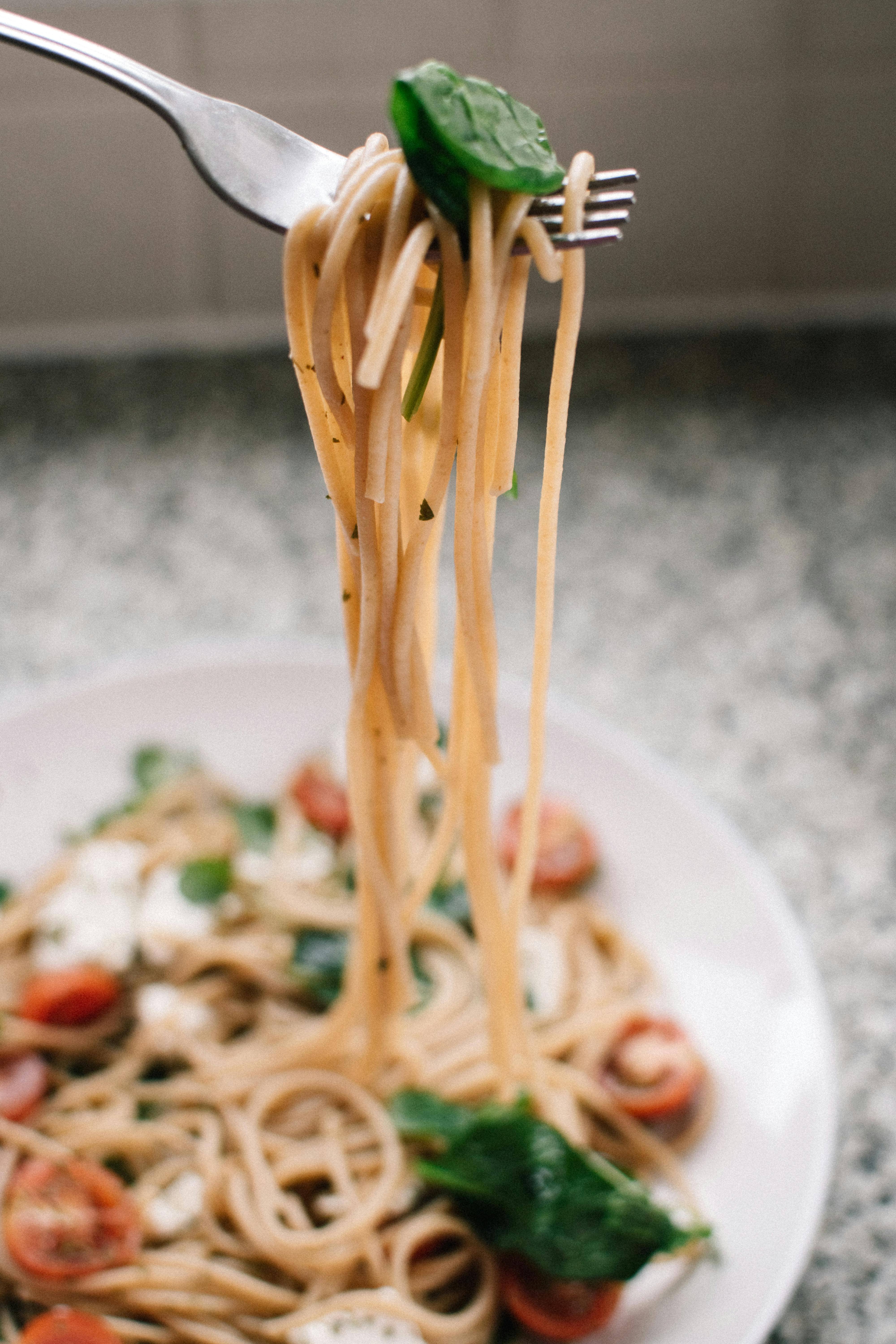
For pasta, cook in plenty of salted water until al dente…tender but with a slight bite.
👉 Pro Tip: Save a cup of that starchy pasta water…it’s liquid gold for making sauces silky and flavorful!
Common Troubles & Fixes
- Sticky rice? Rinse thoroughly before cooking.
- Bland pasta? Salt the water more next time…it should taste like the sea.
- Mushy noodles? Check the pasta two minutes before the package’s lowest cook time.
Final Thoughts
Perfect rice and pasta are all about patience and precision. Once you master these essentials, you’ll never dread the dinner rush again. Whether you’re serving up a simple weeknight meal or trying out a new global recipe, you’ll always have a solid, delicious base.
💡 Want full step-by-step instructions with timing charts?
Download the complete guide